Build a Career While Protecting South Africa’s Environment
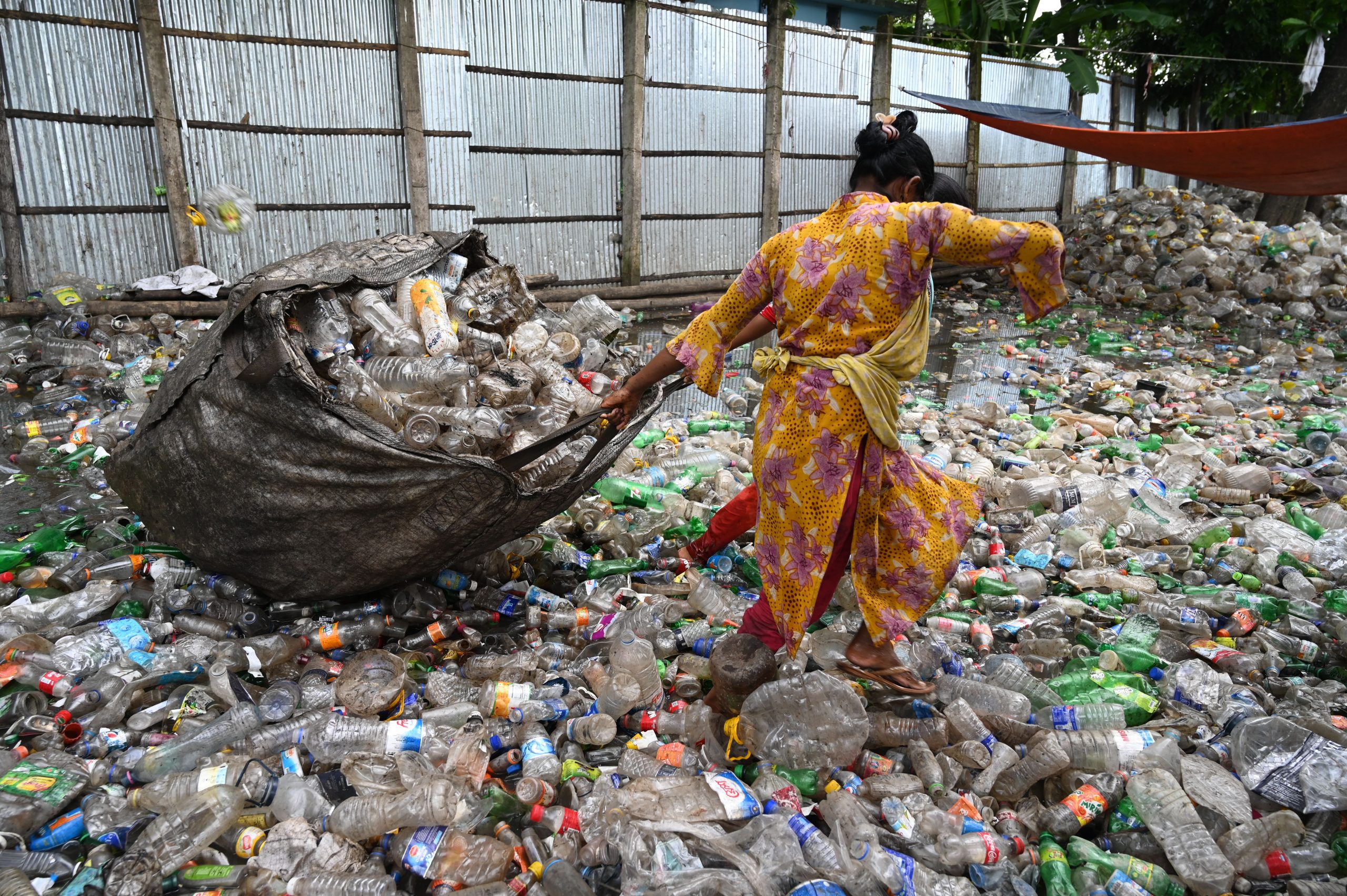
Every day, homes, schools, businesses, hospitals, and factories produce waste. People throw away plastic, paper, food scraps, glass, metal, and electronic devices. Without proper waste management, rubbish builds up in streets, rivers, and open spaces. Pollution increases. Wildlife suffers. Communities face health risks.
Waste management keeps communities clean and protects natural resources. Recycling reduces the amount of waste sent to landfills. Both activities create thousands of jobs across South Africa.
South Africa continues to invest in cleaner cities, better recycling systems, and stronger environmental protection. Businesses also reduce waste and improve sustainability. These efforts increase demand for skilled workers across the waste management sector.
Whether you finished Grade 12, completed a college course, or earned a university degree, this industry offers many career paths. Some jobs focus on collecting waste. Others involve environmental compliance, recycling, research, engineering, or management.
If you enjoy practical work, problem solving, or protecting the environment, waste management offers a stable career with opportunities for long-term growth.
Why Waste Management Matters
Waste affects every community. Poor waste disposal pollutes rivers, damages farmland, blocks drainage systems, and creates health risks.
South Africa produces millions of tonnes of waste every year. Large amounts still end up in landfill sites. Better waste management reduces pressure on landfill space and supports cleaner communities.
Good waste management delivers many benefits.
Reduces pollution.
- Protects rivers, dams, and groundwater.
- Improves public health.
- Reduces illegal dumping.
- Saves natural resources.
- Supports recycling industries.
- Creates employment.
- Protects wildlife and ecosystems.
Recycling also saves energy.
For example, recycled aluminium requires far less energy than producing new aluminium from raw materials. Recycling paper reduces the need to harvest more trees. Recycling glass and plastic lowers demand for new raw materials.
Every worker in this industry helps protect the environment while supporting economic growth.
Why the Industry Continues to Grow
Several factors increase demand for waste management professionals.
- Population growth increases household waste.
- Cities continue expanding.
- Businesses produce more packaging waste.
- Manufacturing creates industrial waste.
- Construction projects generate building waste.
- Environmental laws encourage responsible waste disposal.
Many companies also set sustainability targets. They reduce waste to lower operating costs and improve environmental performance.
Large organisations employ environmental professionals to monitor waste, prepare reports, and improve recycling programmes.
Private recycling companies continue expanding across South Africa. New recycling centres create additional employment opportunities.
Electronic waste recycling also creates technical careers. Old computers, televisions, batteries, and mobile phones contain valuable materials. Skilled workers recover these materials instead of sending them to landfill sites.
Demand for qualified workers continues rising as recycling programmes expand across the country.
Careers in Waste Management
The waste management industry offers careers for people with different qualifications and experience. Some positions involve field work. Others focus on planning, environmental compliance, research, education, or management.
Waste Collection Worker
Waste collection workers keep communities clean by collecting household and commercial waste.
Typical responsibilities include:
- Collecting waste safely.
- Loading refuse vehicles.
- Following collection schedules.
- Reporting damaged bins.
- Keeping work areas clean.
- Following workplace safety procedures.
This role suits people who enjoy physical work and teamwork.
Recycling Plant Operator
Recycling plants sort and process recyclable materials before manufacturers reuse them.
Daily duties include:
- Sorting recyclable materials.
- Removing contaminated items.
- Operating recycling equipment.
- Inspecting machinery.
- Monitoring production quality.
- Reporting equipment faults.
Attention to detail improves recycling quality and reduces contamination.
Waste Management Officer
Waste management officers oversee waste handling inside organisations.
Their responsibilities include:
- Monitoring waste generation.
- Inspecting storage areas.
- Preparing waste reports.
- Improving waste reduction plans.
- Supporting environmental compliance.
- Monitoring recycling performance.
Manufacturing companies, hospitals, mines, universities, municipalities, and shopping centres employ waste management officers.
Environmental Officer
Environmental officers work across many industries. Waste management forms part of their daily responsibilities.
Their duties often include:
- Monitoring pollution.
- Conducting environmental inspections.
- Supporting legal compliance.
- Investigating environmental incidents.
- Preparing reports.
- Training employees on environmental practices.
Many Environmental Science graduates begin their careers in these positions.
Landfill Supervisor
Modern landfill sites require skilled management.
Landfill supervisors oversee:
- Daily site operations.
- Staff supervision.
- Vehicle movements.
- Environmental monitoring.
- Safety inspections.
- Record keeping.
They also work with environmental inspectors to reduce pollution risks.
Hazardous Waste Officer
Some waste contains dangerous chemicals and requires specialised handling.
Examples include:
- Medical waste.
- Laboratory chemicals.
- Industrial solvents.
- Oil products.
- Batteries.
Hazardous waste officers ensure safe collection, storage, transport, and disposal. Strong knowledge of environmental regulations and workplace safety supports success in this career.
Waste Auditor
Waste auditors study how organisations manage waste.
Their work includes:
- Measuring waste volumes.
- Identifying recyclable materials.
- Finding waste reduction opportunities.
- Preparing improvement reports.
- Tracking environmental performance.
Many organisations use waste audits to reduce costs and improve recycling rates.
Recycling Coordinator
Recycling coordinators organise recycling programmes for companies, municipalities, and institutions.
Their responsibilities include:
- Planning recycling campaigns.
- Training employees.
- Working with recycling contractors.
- Monitoring recycling targets.
- Preparing monthly reports.
Strong communication and organisational skills support success in this role.
Environmental Consultant
Environmental consultants advise organisations on environmental management.
Waste management forms part of many consulting projects.
Their work often includes:
- Waste assessments.
- Environmental studies.
- Compliance inspections.
- Recycling plans.
Waste reduction strategies.
Environmental consulting firms work with government departments, municipalities, mines, manufacturers, and private businesses.
Circular Economy Specialist
The circular economy focuses on reducing waste while keeping materials in use for longer periods.
Circular economy specialists help organisations:
- Reduce waste generation.
- Increase recycling rates.
- Recover valuable materials.
- Improve product design.
- Reduce environmental impacts.
Demand for these specialists continues growing as businesses improve sustainability practices.
Careers in Recycling
Recycling involves much more than collecting plastic bottles and paper. Every recyclable material follows a process before manufacturers turn it into new products. Each stage creates employment for skilled workers.
Many recycling careers combine practical work with technical knowledge. Others focus on planning, research, education, or business development.
Recycling Technician
Recycling technicians operate and maintain equipment used in recycling plants.
Their responsibilities include:
- Operating sorting machines.
- Inspecting recycling equipment.
- Performing routine maintenance.
- Identifying equipment faults.
- •Recording production information.
Mechanical knowledge and problem-solving skills support success in this role.
Materials Recovery Facility Operator
Materials recovery facilities separate recyclable materials before processing.
Operators perform duties such as:
- Sorting recyclable materials.
- Removing contaminated items.
- Operating conveyor systems.
- Monitoring production quality.
- Following workplace safety procedures.
Large recycling centres employ teams of operators throughout the day.
Plastic Recycling Specialist
Plastic recycling specialists focus on recovering plastic waste.
Their work includes:
- Identifying different plastic types.
- Sorting plastic materials.
- Removing contamination.
- Preparing materials for processing.
- Monitoring recycling quality.
Plastic recycling supports packaging manufacturers and reduces plastic pollution.
Paper Recycling Coordinator
Paper recycling programmes require careful planning and monitoring.
Paper recycling coordinators:
- Organise paper collection programmes.
- Monitor recycling volumes.
- Work with recycling companies.
- Prepare recycling reports.
- Train employees on waste separation.
Schools, offices, universities, and municipalities often employ staff to manage paper recycling programmes.
Glass Recycling Operator
Glass recycling reduces demand for raw materials used in glass production.
Operators perform tasks such as:
- Sorting glass by colour.
- Removing contaminants.
- Inspecting processed materials.
- Operating crushing equipment.
- Preparing glass for transport.
Proper sorting improves the quality of recycled glass products.
Scrap Metal Supervisor
Scrap metal recycling supports manufacturing and construction industries.
Supervisors oversee:
- Metal collection.
- Material sorting.
- Storage areas.
- Staff supervision.
- Health and safety procedures.
Steel, aluminium, copper, and brass remain valuable recyclable materials.
Composting Facility Operator
Food waste and garden waste produce valuable compost instead of filling landfill sites.
Composting facility operators:
- Monitor compost piles.
- Control moisture levels.
- Turn compost materials.
- Inspect compost quality.
- Prepare finished compost for sale.
Agricultural businesses and municipalities continue expanding composting programmes.
Electronic Waste Technician
Electronic waste continues growing across South Africa.
Old computers, televisions, printers, mobile phones, and household appliances contain valuable materials.
Electronic waste technicians:
- Dismantle electronic equipment.
- Recover valuable metals.
- Separate hazardous materials.
- Prepare recyclable components.
- Follow environmental regulations.
Demand for electronic waste specialists continues increasing as technology use grows.
Battery Recycling Specialist
Batteries contain materials requiring careful handling.
Battery recycling specialists:
- Sort battery types.
- Remove hazardous materials.
- Recover reusable metals.
- Follow safety procedures.
- Monitor storage conditions.
Proper battery recycling reduces soil and water pollution.
Textile Recycling Coordinator
Clothing and fabric waste continue increasing every year.
Textile recycling coordinators:
- Collect unwanted clothing.
- Sort reusable materials.
- Prepare recyclable textiles.
- Support clothing donation programmes.
- Reduce landfill waste.
Many charities and private companies operate textile recycling programmes.
Skills Employers Value
Employers search for workers with technical knowledge and practical workplace skills.
The following skills improve your employment opportunities.
Communication Skills
Good communication supports teamwork and workplace safety.
Employers value workers who:
- Explain information clearly.
- Listen carefully.
- Report workplace issues.
- Complete written reports.
Problem Solving
Waste management professionals solve problems every day.
Examples include:
- Identifying equipment faults.
- Reducing waste volumes.
- Improving recycling rates.
- Responding to environmental incidents.
Teamwork
Most waste management jobs involve working with other people.
Strong teamwork improves:
- Safety.
- Productivity.
- Communication.
- Service delivery.
Attention to Detail
Small mistakes create larger environmental problems.
Attention to detail helps you:
- Sort materials correctly.
- Follow safety procedures.
- Complete accurate reports.
- Reduce contamination.
Computer Skills
Many employers use digital systems to manage environmental information.
Useful computer skills include:
- Microsoft Word.
- Microsoft Excel.
- Email communication.
- Data recording.
- Report preparation.
Environmental professionals often analyse waste information using spreadsheets and reporting software.
Health and Safety Knowledge
Safety forms part of every waste management job.
Employers expect workers to understand:
- Personal protective equipment.
- Safe lifting techniques.
- Hazard identification.
- Emergency procedures.
- Workplace safety rules.
Qualifications You Might Need
Qualification requirements depend on the position.
Entry level jobs often require:
- Grade 12.
- Good physical fitness.
- Basic communication skills.
Some employers also request a valid driver’s licence.
Technical careers often require:
- TVET College qualifications.
- Occupational certificates.
- Environmental short courses.
Professional careers often require:
- Diploma in Environmental Management.
- Diploma in Waste Management.
- Bachelor of Environmental Science.
- Environmental Engineering degree.
- Chemistry qualification.
- Occupational Health and Safety qualification.
Higher qualifications improve opportunities for promotion.
Useful Certifications
Professional certificates strengthen your CV and improve employment opportunities.
Useful certifications include:
- Occupational Health and Safety.
- First Aid.
- Fire Fighting.
- Hazardous Waste Handling.
- Environmental Management Systems.
- ISO 14001 Awareness.
- Risk Assessment.
- Incident Investigation.
Employers often value workers who continue developing their skills.
Industries That Hire Waste Management Professionals
Waste management careers exist across many industries.
Common employers include:
- Local municipalities.
- Provincial government departments.
- National government departments.
- Recycling companies.
- Manufacturing plants.
- Mining companies.
- Hospitals.
- Universities.
- Shopping centres.
- Airports.
- Construction companies.
- Food processing companies.
- Environmental consulting firms.
Private companies continue increasing investment in environmental management as sustainability becomes a business priority.
Salary Expectations
Income depends on education, experience, location, and employer.
Entry level positions usually provide lower salaries while workers gain experience.
Supervisors often earn higher salaries because they manage staff and operations.
Environmental officers and consultants usually receive competitive salaries because these positions require specialised knowledge.
Managers and senior environmental professionals often receive the highest salaries within the industry.
Professional development and additional qualifications improve earning potential throughout your career.
Career Growth Opportunities
Many professionals begin with entry level positions before moving into leadership roles.
Career progression often includes:
- Waste Collection Worker.
- Team Leader.
- Supervisor.
- Waste Management Officer.
- Environmental Officer.
- Operations Manager.
- Compliance Manager.
- Sustainability Manager.
- Environmental Consultant.
- Waste Management Director.
Each stage builds new knowledge and leadership experience.
Continuous learning supports long term career growth.
Challenges in the Waste Management Industry
Every career includes challenges. Waste management professionals work in different environments and deal with different types of waste every day.
Common challenges include:
- Working outdoors during hot, cold, or rainy weather.
- Handling heavy materials.
- Following strict workplace safety rules.
- Managing unpleasant smells.
- Working around moving vehicles and machinery.
- Responding to environmental incidents.
- Meeting collection schedules.
- Keeping accurate environmental records.
Training, proper equipment, and safe work practices reduce many workplace risks.
Benefits of Working in Waste Management
Waste management offers more than a monthly income. Your work improves communities and protects natural resources.
Benefits include:
- Helping reduce pollution.
- Protecting rivers and wetlands.
- Supporting cleaner neighbourhoods.
- Conserving natural resources.
- Improving public health.
- Building practical skills.
- Gaining stable employment.
- Growing into leadership positions.
- Working in different industries.
- Contributing to South Africa’s environmental goals.
Every recycled item reduces pressure on landfill sites. Every waste reduction project supports a cleaner environment.
How to Start Your Career
Many successful environmental professionals started with entry level positions before moving into management roles.
You improve your chances of finding employment by following a clear plan.
Complete Your Education
Most employers expect applicants to hold at least a Grade 12 certificate.
College diplomas and university degrees improve employment opportunities for technical and professional positions.
Useful fields of study include:
- Environmental Science.
- Environmental Management.
- Waste Management.
- Occupational Health and Safety.
- Environmental Engineering.
- Chemistry.
- Civil Engineering.
Learn About Waste Management
Employers value applicants who understand the industry.
Spend time learning about:
- Waste separation.
- Recycling systems.
- Environmental legislation.
- Landfill management.
- Pollution prevention.
- Circular economy principles.
Reading environmental reports and following industry news helps you understand current challenges.
Gain Practical Experience
Experience strengthens your CV.
Look for opportunities through:
- Community clean up campaigns.
- Recycling projects.
- Environmental organisations.
- Municipal environmental programmes.
- Volunteer activities.
- Internship programmes.
Practical experience also helps you develop teamwork and communication skills.
Complete Short Courses
Short courses improve your knowledge and strengthen your job applications.
Useful training includes:
- Occupational Health and Safety.
- First Aid.
- Fire Fighting.
- Hazardous Waste Handling.
- Risk Assessment.
- Environmental Management Systems.
Many employers value applicants who continue learning after completing formal education.
Build a Professional CV
Your CV creates the first impression.
Include:
- Your education.
- Relevant work experience.
- Volunteer activities.
- Environmental projects.
- Technical skills.
- Professional certificates.
Update your CV every time you complete new training or gain additional experience.
Prepare for Job Interviews
Employers often ask questions about workplace safety, teamwork, environmental awareness, and problem solving.
Prepare examples from your education, volunteer work, internships, or previous employment.
Confidence grows through preparation and practice.
Search for Opportunities
Waste management jobs appear throughout South Africa.
Look for vacancies with:
- Municipalities.
- Recycling companies.
- Manufacturing companies.
- Mining companies.
- Hospitals.
- Universities.
- Construction companies.
- Environmental consulting firms.
- Government departments.
Internships, graduate programmes, and learnerships provide valuable pathways into the industry.
Future Trends in Waste Management
Technology continues changing the waste management industry.
Several trends continue creating new career opportunities.
Smart Waste Collection
Municipalities increasingly use technology to improve waste collection routes and reduce fuel costs.
Workers with digital skills continue growing in demand.
Electronic Waste Recycling
Electronic waste grows every year as people replace computers, televisions, and mobile phones.
Electronic waste recycling creates technical jobs involving material recovery and safe disposal.
Renewable Energy From Waste
Some waste produces electricity and other forms of energy.
Waste to energy projects support cleaner energy production while reducing landfill waste.
Demand for trained professionals continues increasing in this field.
Circular Economy Projects
Businesses continue reducing waste by designing products for reuse, repair, and recycling.
Circular economy projects create careers in sustainability, product design, environmental management, and recycling.
Improved Recycling Technology
Modern recycling facilities use advanced equipment to improve sorting accuracy and increase material recovery.
Workers with technical knowledge remain valuable as recycling systems continue improving.
Tips for Career Success
You improve your career prospects by developing good workplace habits.
Focus on the following areas.
- Continue learning throughout your career.
- Follow workplace safety rules.
- Build strong communication skills.
- Work well with others.
- Stay organised.
- Complete accurate reports.
- Learn environmental legislation.
- Improve your computer skills.
- Join professional environmental organisations.
- Keep your CV updated.
Small improvements each year strengthen your professional reputation.
Conclusion
Waste management and recycling support cleaner communities, healthier ecosystems, and stronger local economies. Every collection worker, recycling technician, environmental officer, engineer, consultant, and supervisor contributes to environmental protection.
South Africa continues investing in sustainable waste management and improved recycling systems. These investments create employment across government departments, municipalities, private companies, consulting firms, manufacturing plants, hospitals, and mining operations.
Whether you prefer practical field work, technical operations, environmental compliance, research, or leadership, the industry offers many career paths. Education, practical experience, professional training, and continuous learning improve your employment opportunities.
If you want meaningful work with long term career prospects, waste management and recycling deserve serious consideration. Your knowledge and skills support cleaner communities while helping protect South Africa’s natural resources for future generations.
Frequently Asked Questions
Do I need a university degree for waste management jobs?
No. Many entry level positions require Grade 12. Professional and management positions usually require higher qualifications.
Which degree suits a waste management career?
Popular qualifications include:
- Environmental Science.
- Environmental Management.
- Waste Management.
- Environmental Engineering.
- Occupational Health and Safety.
- Chemistry.
Which industries employ waste management professionals?
Common employers include:
- Municipalities.
- Recycling companies.
- Hospitals.
- Mining companies.
- Manufacturing companies.
- Construction companies.
- Universities.
- Government departments.
- Environmental consulting firms.
Does waste management offer career growth?
Yes. Many professionals move from entry level positions into supervisory, management, consulting, and executive roles after gaining experience and additional qualifications.
Which skills do employers value most?
Employers value:
- Communication.
- Teamwork.
- Problem solving.
- Environmental knowledge.
- Computer skills.
- Attention to detail.
- Workplace safety awareness.
- Report writing.
- Organisation.
- Time management.