Clean communities create safer and healthier places to live. Streets, parks, beaches, rivers, and public spaces often collect waste when people throw rubbish in the wrong places.
Litter and illegal dumping damage the environment. Waste blocks drains, pollutes water sources, and creates health risks.
Community clean-up projects bring people together to solve these problems. Residents, schools, businesses, and local groups work together to remove waste and improve shared spaces.
These projects create visible improvements. A dirty street becomes cleaner. A polluted area receives attention. A neglected public space becomes useful again.
Community clean-ups also teach responsibility. People learn how daily choices affect the environment. They learn the value of recycling, reducing waste, and protecting natural areas.
Across South Africa, many communities organise clean-up projects to fight pollution. These efforts help create cleaner neighbourhoods and encourage people to care for their surroundings.
What Are Community Clean-Up Projects?
Community clean-up projects involve groups of people working together to remove waste from public areas. The goal is simple. Clean the area, remove pollution, and improve the local environment.
Common clean-up activities include:
- Collecting litter from streets.
- Cleaning parks and playgrounds.
- Removing waste from rivers and beaches.
- Clearing illegal dumping areas.
- Planting trees and gardens.
- Sorting recyclable materials.
- Teaching people about proper waste disposal.
Some projects involve a small group of neighbours. Others involve schools, companies, and hundreds of volunteers.
Each project starts with a local problem and a plan to fix it.
Why Community Clean-Up Projects Matter
Waste affects people, animals, and the environment. Rubbish left in public areas creates safety and health problems.
Plastic bottles, food packaging, and other waste often enter drainage systems. Rain carries this waste into rivers and oceans.
Illegal dumping creates unsafe areas. Old furniture, building waste, and household rubbish often collect in open spaces.
Community clean-up projects help by:
- Reducing pollution.
- Improving public spaces.
- Protecting wildlife.
- Supporting recycling.
- Teaching environmental responsibility.
- Encouraging cleaner habits.
A clean environment improves daily life for everyone.
Health Benefits of Cleaner Communities
Waste attracts pests such as rats, flies, and mosquitoes. These pests create health risks and affect living conditions.
Dirty public spaces also affect children and families. Parks and playgrounds need regular cleaning to remain safe.
Community clean-ups reduce these risks by removing waste from areas where people live and spend time.
Cleaner communities support:
- Safer outdoor spaces.
- Better sanitation.
- Fewer pest problems.
- Healthier neighbourhoods.
- Improved community wellbeing.
When people care for shared spaces, they create safer areas for everyone.
How Clean-Up Projects Protect the Environment
Local action helps protect natural resources. Waste often travels from streets into rivers and oceans.
Plastic pollution affects wildlife. Animals sometimes eat plastic waste, which harms their health.
Clean-up projects remove waste before it spreads.
Volunteers often collect and separate rubbish into different groups. Recycling teams process materials such as plastic, glass, paper, and metal.
These projects teach people about:
- Reducing waste.
- Reusing items.
- Recycling correctly.
- Protecting rivers and oceans.
- Keeping natural areas clean.
Environmental awareness grows when people see the results of their work.
Examples of Community Clean-Up Projects
Communities use different methods to improve local areas. Each project focuses on a specific problem.
Beach Clean-Up Projects
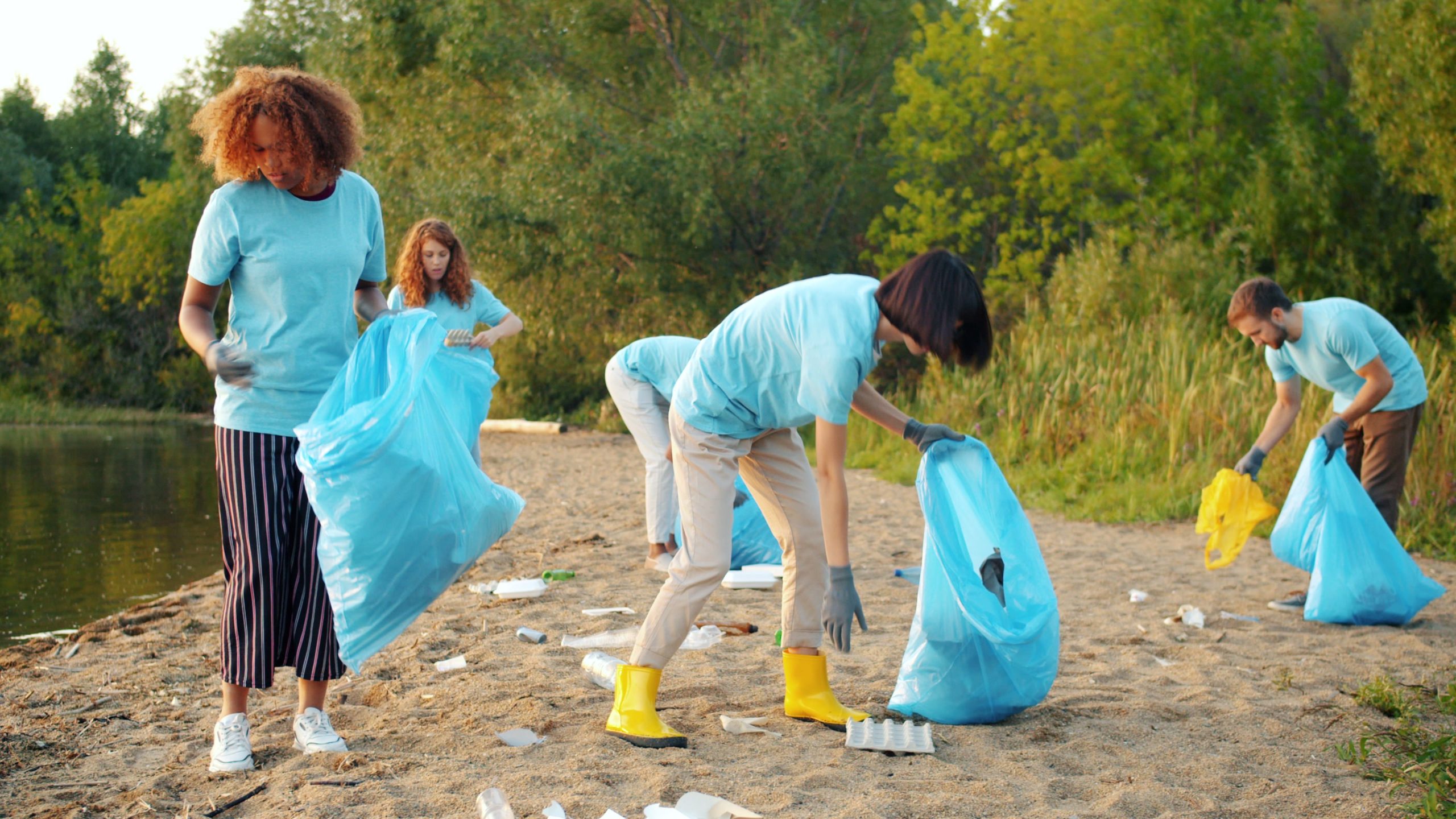
Beaches often collect waste from cities, visitors, and ocean currents. Plastic bottles, food containers, fishing equipment, and other rubbish damage coastal areas.
Beach clean-up projects involve volunteers collecting waste along the shoreline.
Volunteers often:
- Remove plastic waste.
- Collect fishing materials.
- Separate recyclable items.
- Educate visitors about waste disposal.
These projects help protect marine life and keep beaches cleaner for communities.
Beach clean-ups also show people how everyday waste affects oceans.
River Clean-Up Projects
Rivers provide water for homes, farms, and ecosystems. Waste entering rivers creates pollution problems.
River clean-up projects remove rubbish from riverbanks and nearby areas.
Volunteers often collect:
- Plastic waste.
- Food containers.
- Household rubbish.
- Old furniture.
- Building materials.
Protecting rivers improves water quality and reduces pollution reaching larger water systems.
School Clean-Up Campaigns
Schools help young people learn about environmental responsibility.
Students learn through practical activities. They see the results of teamwork and understand how waste affects their surroundings.
School clean-up activities include:
- Cleaning classrooms.
- Removing litter from playgrounds.
- Creating recycling stations.
- Planting gardens.
- Reducing plastic use.
Students develop habits they carry into their homes and communities.
Neighbourhood Clean-Up Days
Neighbourhood clean-ups bring residents together to improve local areas.
These events often focus on streets, parks, and public spaces.
Activities include:
- Collecting litter.
- Removing illegal dumping.
- Painting damaged areas.
- Planting trees.
- Improving shared spaces.
Neighbourhood clean-ups create stronger relationships between residents. People identify local problems and work together to solve them.
How to Plan a Successful Community Clean-Up Project
A successful clean-up requires planning. Good preparation helps volunteers work safely and complete tasks faster.
Choose the Right Location
Start by finding an area that needs attention.
Possible locations include:
- Streets with heavy litter.
- Parks.
- Rivers.
- Beaches.
- School grounds.
- Community centres.
A clear location helps organisers set goals and measure progress.
Set Clear Goals
Every clean-up project needs clear targets.
Goals might include:
- Removing waste from a specific area.
- Collecting recyclable materials.
- Cleaning a public space.
- Planting trees.
- Teaching residents about recycling.
Clear goals help volunteers understand their role and track progress.
Finding Volunteers and Community Support
Volunteers form the foundation of community clean-up projects. A successful project needs people who give their time and effort.
You find volunteers through:
- Local residents.
- Schools.
- Community groups.
- Environmental organisations.
- Local businesses.
- Youth groups.
Clear communication helps attract more participants. Share the project date, location, time, and activities before the event.
Community leaders also help organise people and encourage participation.
When more people join, clean-up projects achieve better results and create stronger environmental awareness.
Equipment Needed for Clean-Up Projects
Good preparation helps volunteers work safely.
Before starting a clean-up, organise the required equipment.
Useful supplies include:
- Gloves.
- Rubbish bags.
- Recycling containers.
- Protective clothing.
- Cleaning tools.
- Drinking water.
- First aid supplies.
Proper equipment reduces injuries and helps volunteers complete tasks safely.
Volunteers should avoid touching dangerous items such as broken glass, chemicals, and sharp objects without protection.
Waste Sorting and Recycling
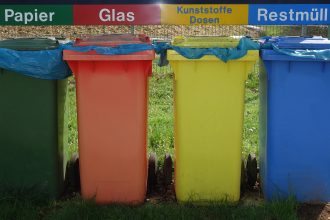
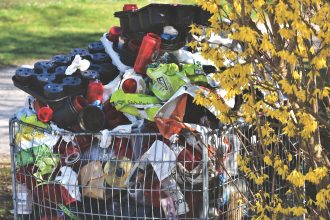
Collecting waste is only one step in a clean-up project. Sorting waste improves recycling and reduces landfill waste.
Volunteers should separate materials into groups.
Common categories include:
- Plastic.
- Glass.
- Paper.
- Metal.
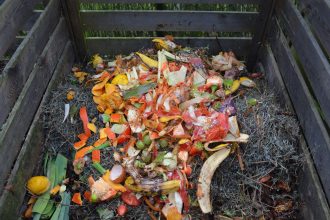
- Organic waste.
- General waste.
Recycling allows materials to return to production systems instead of filling landfill sites.
Community clean-ups also teach people better waste management habits.
People learn how to separate waste and understand why recycling matters.
The Role of Businesses in Community Clean-Up Projects
Businesses support cleaner communities through resources and participation.
Companies often help through:
- Donations.
- Equipment support.
- Employee volunteering.
- Waste collection services.
- Environmental programmes.
A business that supports local clean-up projects shows care for the community.
Employee volunteer activities also encourage workers to take part in environmental efforts.
Business partnerships provide resources and help clean-up projects reach more people.
The Role of Local Government
Local governments support waste management and public area maintenance.
Their responsibilities include:
- Providing waste collection services.
- Managing landfill sites.
- Supporting recycling programmes.
- Removing collected waste.
- Maintaining public spaces.
Community groups and local authorities achieve better results when they work together.
Good communication helps solve waste problems and keeps areas clean after projects finish.
Challenges Faced by Community Clean-Up Projects
Clean-up projects face several challenges.
Common problems include:
- Limited funding.
- Shortage of equipment.
- Low volunteer numbers.
- Poor waste collection services.
- Illegal dumping after clean-ups.
Some areas need regular attention because waste returns over time.
Long-term success requires education, responsible waste disposal, and regular community involvement.
A single clean-up removes waste. Continued action changes habits.
The Importance of Environmental Education
Education helps prevent pollution.
Many waste problems happen because people do not understand the effects of poor disposal habits.
Environmental education teaches people:
- How waste affects nature.
- Why recycling matters.
- How pollution affects health.
- Ways to reduce daily waste.
Schools help students develop responsible habits. Students often share these lessons with their families.
Community workshops also help residents learn better waste management practices.
Knowledge encourages people to make better environmental choices.
Technology and Modern Clean-Up Solutions
Technology helps communities organise and manage clean-up projects.
Useful tools include:
- Apps for reporting illegal dumping.
- Online platforms for finding volunteers.
- Digital campaigns for environmental awareness.
- Recycling tracking systems.
These tools help groups organise activities and share information with more people.
Technology supports faster communication between volunteers, organisations, and local authorities.
How You Can Start Your Own Clean-Up Project
You do not need a large organisation to improve your community.
Follow these steps.
Identify a Problem Area
Look for places affected by:
- Litter.
- Illegal dumping.
- Polluted water areas.
- Poorly maintained public spaces.
Choose an area where your work creates a clear improvement.
Create a Simple Plan
Decide:
- The area you will clean.
- The date and time.
- The number of volunteers needed.
- The equipment required.
- How waste will be collected and removed.
A simple plan keeps the project organised.
Invite People to Join
Share information about your clean-up project.
Use:
- Community notice boards.
- Local groups.
- School networks.
- Social media pages.
Clear information helps people understand how they support the project.
Work Safely
Safety should guide every clean-up activity.
Follow these steps:
- Wear gloves.
- Use suitable tools.
- Avoid dangerous waste.
- Drink enough water.
- Take breaks during physical work.
A safe clean-up creates a better experience for everyone.
Measure Your Results
Tracking results shows the value of your project.
Record:
- Number of volunteers.
- Amount of waste collected.
- Area cleaned.
- Materials recycled.
Sharing results encourages more community support.
Long-Term Benefits of Community Clean-Up Projects
Regular clean-up projects create lasting improvements.
They help communities:
- Reduce pollution.
- Protect natural areas.
- Improve public spaces.
- Encourage recycling.
- Build stronger relationships.
People who join clean-ups often become more aware of environmental issues.
They also encourage friends, family, and neighbours to follow better waste habits.
Clean communities need regular care and shared responsibility.
Community Clean-Ups and Climate Action
Waste management connects with climate action.
Landfills produce greenhouse gases as waste breaks down. Reducing waste and recycling materials help lower environmental impacts.
Clean-up projects support climate efforts by:
- Removing harmful waste.
- Encouraging recycling.
- Reducing unnecessary consumption.
- Protecting natural areas.
Local environmental action supports wider efforts to protect the planet.
Why Young People Matter
Young people play an important role in community clean-up projects.
Students and young volunteers bring new ideas and energy to environmental activities.
They take part through:
- School campaigns.
- Recycling projects.
- Awareness programmes.
- Community events.
Teaching young people about environmental care helps create cleaner communities for future generations.
Conclusion
Community clean-up projects create positive changes through simple actions. They remove waste, protect nature, and improve public spaces.
You can support these efforts by joining local events, organising clean-ups, or keeping your neighbourhood clean.
Cleaner communities start with responsible choices. When people work together, they create safer places for families, businesses, and future generations.