

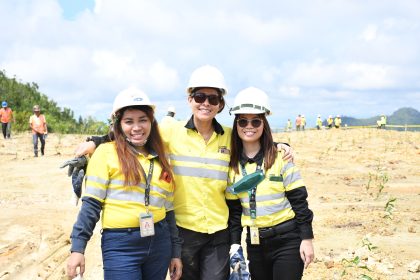
Environmental careers are growing as organisations focus on protecting natural resources, reducing pollution, and managing environmental problems. Many young people want careers linked to nature, cons...
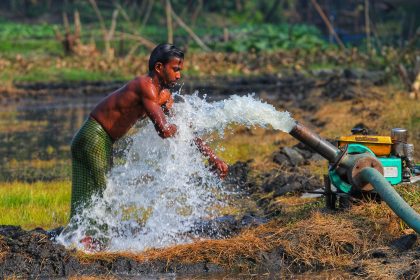
Groundwater is one of South Africa’s most important natural resources. Millions of people depend on groundwater every day for drinking, farming, businesses, and industry. South Africa receives l...
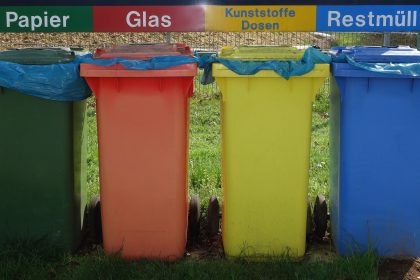
A Guide to Better Waste Management at Home Household waste affects the environment, public health, and community cleanliness. Every home produces waste from daily activities such as cooking, shopping,...
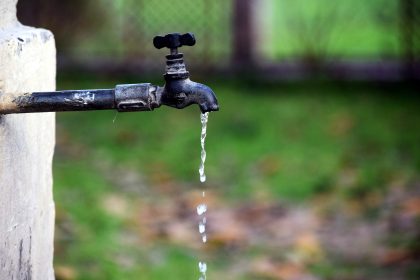
Water is one of South Africa’s most limited natural resources. The country receives less rainfall than many other countries, and long periods without rain place pressure on dams, rivers, wetland...
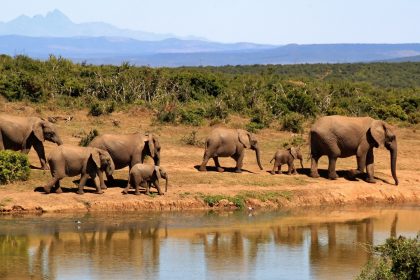
National parks protect important natural areas across the world. These protected places help conserve wildlife, plants, forests, rivers, mountains, and unique ecosystems. Nature faces many threats. Ha...
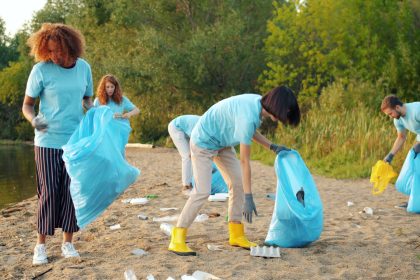
Clean communities create safer and healthier places to live. Streets, parks, beaches, rivers, and public spaces often collect waste when people throw rubbish in the wrong places. Litter and illegal du...
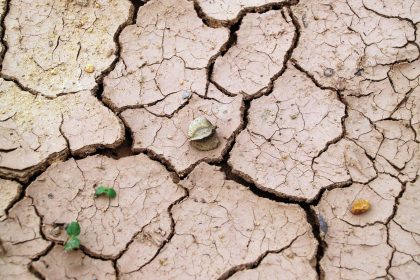
South Africa ranks among the driest countries in the world. Rainfall varies across the country, and many regions face water shortages every year. Cities, farms, factories, and homes all depend on a st...

Noise pollution affects millions of people every day. Unwanted sound reduces comfort at home, school, workplaces, and public spaces. Long term exposure affects health, learning, and daily activities. ...
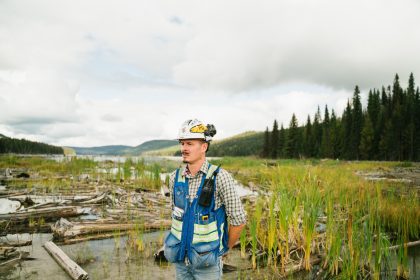
Environmental Science is an important field of study in South Africa. Environmental professionals help protect water, air, soil, wildlife, and natural resources. They also support sustainable developm...
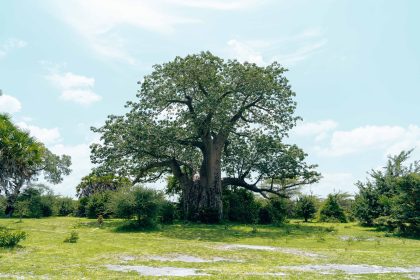
Indigenous trees play an important role in South Africa’s natural environment. These trees have grown in local areas for thousands of years. They have adapted to local rainfall, soil, temperatur...