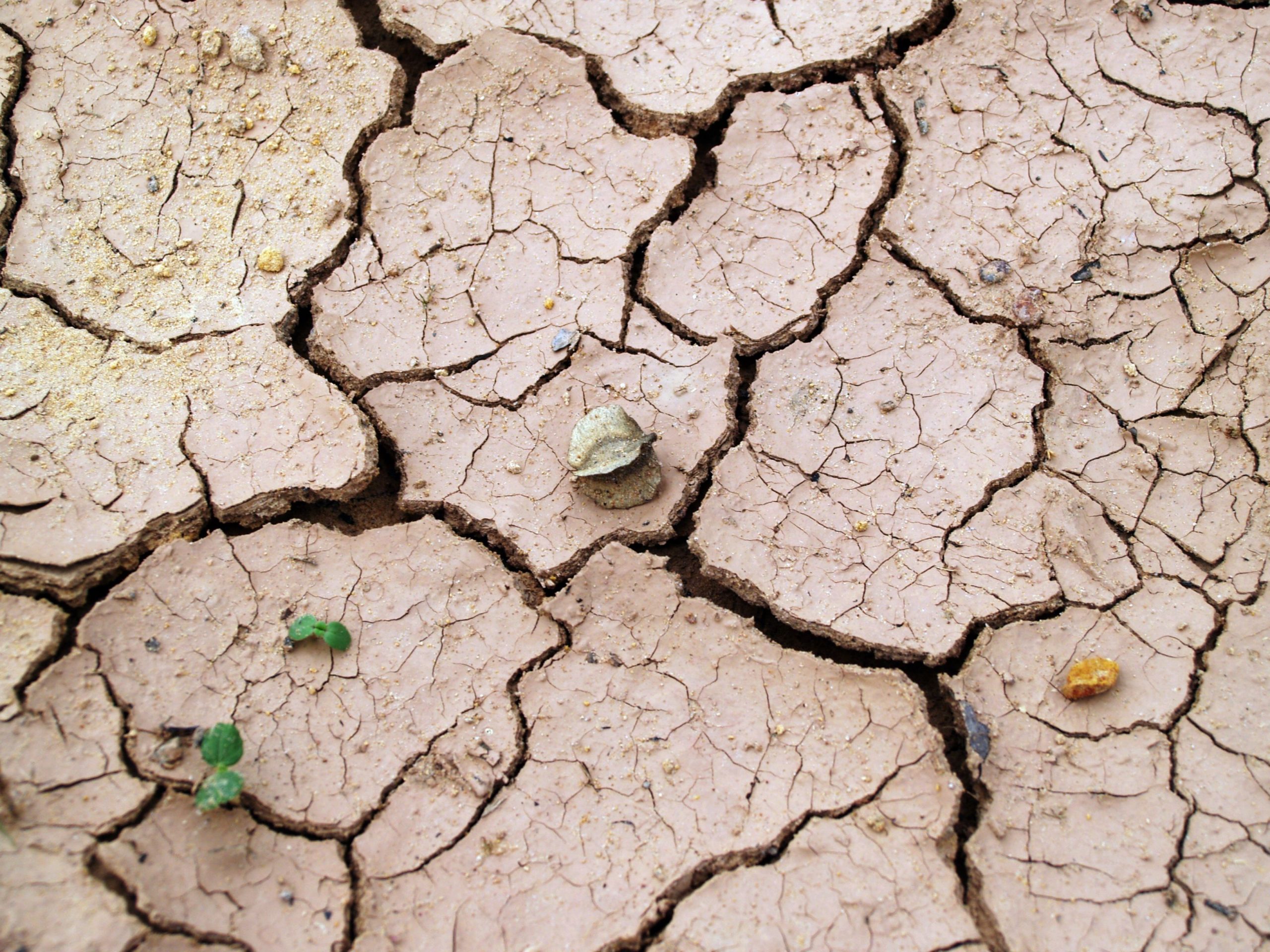
South Africa ranks among the driest countries in the world. Rainfall varies across the country, and many regions face water shortages every year. Cities, farms, factories, and homes all depend on a steady supply of clean water. Climate change places extra pressure on an already limited resource.
Higher temperatures, changing rainfall patterns, and longer dry periods affect rivers, dams, wetlands, and underground water. These changes also affect food production, public health, economic growth, and daily life.
Many communities already experience water restrictions during dry seasons. Farmers face lower crop yields. Businesses spend more on water management. Families look for new ways to reduce water use.
Understanding these changes helps people make better choices. Small actions at home, along with better planning across the country, support a stronger water future.
What Is Climate Change?
Climate change describes long-term changes in weather patterns. Human activities drive much of this change through the release of greenhouse gases. Coal, oil, and natural gas produce large amounts of these gases.
Higher levels of greenhouse gases trap more heat in the atmosphere. Global temperatures continue to rise. Warmer conditions affect rainfall, evaporation, storms, and water cycles.
South Africa already faces natural water shortages. Rising temperatures place extra strain on water resources. Scientists expect these changes to continue over the coming decades.
South Africa’s Water Supply
South Africa receives less rainfall than the global average. Rain does not fall evenly across the country. Some regions receive regular rainfall. Others stay dry for long periods.
The country’s water supply comes from several sources.
- Rivers
- Dams
- Groundwater
- Wetlands
- Rainfall
Large dams store water for homes, agriculture, and industry. Groundwater supports many rural communities through boreholes. Rivers transport water across provinces. Wetlands filter water and reduce flooding.
Every source depends on healthy weather patterns. Climate change disrupts those patterns.
Higher Temperatures Reduce Water Availability
Hot weather increases water loss. More water evaporates from dams, rivers, and reservoirs before people use the water.
Dry soil also loses moisture faster. Crops need more irrigation to survive. Farmers pump more water from rivers and underground sources.
Higher temperatures also increase household water demand. People use more water for drinking, cleaning, and gardens during hot weather.
Lower dam levels create pressure across the country. Water authorities face difficult decisions during long dry periods.
Changing Rainfall Patterns
Climate change changes where and when rain falls.
Some areas receive less rainfall than before. Other regions receive heavy storms over short periods.
This creates several problems.
- Rainy seasons start later.
- Dry seasons last longer.
- Heavy rain falls over short periods.
- Long gaps appear between rainfall events.
Steady rainfall helps rivers, dams, and groundwater recharge over time. Short storms often produce runoff instead. Water flows away before soil absorbs enough moisture.
Farmers struggle to plan planting seasons. Water managers face greater uncertainty when managing dams.
Longer and More Severe Droughts
South Africa has always experienced droughts. Climate change increases both the frequency and the severity of these events.
Long droughts reduce water across every source.
- Dam levels fall.
- River flows decrease.
- Groundwater recharge slows.
- Wetlands dry out.
The drought between 2015 and 2018 showed how serious water shortages become. Cape Town faced the risk of Day Zero, when taps across the city faced shutdown. Strict water-saving measures helped reduce demand until rainfall returned.
Many experts expect similar droughts in future years. Better planning helps reduce the impact before water shortages reach crisis levels.
How Climate Change Affects Rivers
Rivers supply water to millions of people. Agriculture, mining, and industry also depend on healthy river systems.
Less rainfall means lower river flows.
Higher temperatures increase evaporation.
Pollution becomes more concentrated when water levels fall.
Fish and other aquatic species struggle to survive.
Lower river levels also reduce water available for irrigation and municipal supply.
Healthy rivers support ecosystems, tourism, and local economies. Protecting river catchments supports long-term water security.
The Impact on Dams
South Africa relies on large dams to store water during rainy periods.
Climate change creates several challenges for dam management.
- Lower rainfall reduces inflows.
- Hot weather increases evaporation.
- Heavy storms create sudden inflows.
- Flood events increase pressure on dam infrastructure.
Engineers must balance water storage with flood protection. Water authorities also need accurate weather forecasts to manage supplies more effectively.
Modern monitoring systems improve planning, although changing weather patterns still create uncertainty.
Groundwater Faces Growing Pressure
Groundwater supports thousands of households across South Africa.
Many rural communities depend on boreholes for drinking water and farming.
Climate change reduces groundwater recharge because less rainfall reaches underground water reserves.
At the same time, more people depend on boreholes during droughts.
This creates two problems.
- Groundwater levels fall faster.
- Recovery takes longer after rainfall returns.
Careful management protects groundwater supplies for future generations.
Water Quality Continues to Decline
Climate change affects water quality along with water quantity.
Hot weather encourages algae growth in dams and rivers. Poor water quality affects drinking water treatment and aquatic life.
Heavy rainfall creates different problems.
- Floodwater carries soil into rivers.
- Sewage enters water systems.
- Agricultural chemicals wash into streams.
- Waste reaches dams.
Water treatment plants spend more time and money removing these pollutants before water reaches homes and businesses.
Clean water protects public health. Strong pollution control supports safer water supplies.
Agriculture Uses Most Freshwater
Agriculture depends on reliable water supplies throughout the year.
Farmers grow crops, raise livestock, and support food production for millions of people.
Climate change creates several challenges.
- Less rainfall reduces irrigation supplies.
- Hot weather increases crop water demand.
- Dry soil reduces crop growth.
- Livestock need more drinking water.
Lower crop production affects food prices across the country. Farmers also face higher operating costs during drought years.
ChatGPT said:
Climate Change and South Africa’s Cities
South Africa’s cities need more water every year. Population growth increases demand for clean water. Climate change makes water management more difficult.
Many cities already struggle with leaking pipes and aging infrastructure. During droughts, dam levels drop and water restrictions become common. Homes, schools, hospitals, and businesses all feel the impact.
Local governments also spend more money on treating and delivering water. These costs often lead to higher water bills.
Investment in modern infrastructure helps reduce water losses and improves water security.
How Climate Change Affects Businesses
Many industries depend on reliable water supplies. Agriculture, mining, manufacturing, tourism, and energy production all need water to operate.
Climate change creates several challenges for businesses.
- Higher operating costs.
- Lower production during droughts.
- Damage from floods.
- Supply chain delays.
- Greater investment in water storage.
Farmers harvest fewer crops during dry seasons. Food manufacturers receive fewer raw materials. Tourism businesses lose income when rivers, dams, and nature reserves suffer from drought.
Companies that improve water efficiency reduce costs and prepare for future shortages.
Flooding Creates New Water Problems
Climate change increases the risk of heavy rainfall across many parts of South Africa.
Floods damage roads, bridges, homes, and water infrastructure. Rivers carry mud, sewage, chemicals, and waste into dams and reservoirs.
Contaminated water creates health risks for nearby communities. Water treatment plants require more time and resources to make water safe for drinking.
Flood recovery also costs billions of rand. Strong drainage systems and better planning reduce damage during extreme weather.
Healthy Ecosystems Protect Water Resources
Natural ecosystems play an important role in water security.
Wetlands store water during rainy periods and release water during dry months. Forests reduce soil erosion. Rivers support fish, birds, and many other species.
Climate change damages these ecosystems through drought, heat, and invasive plants.
When wetlands disappear, water storage declines. Soil erosion increases after heavy rainfall. Rivers become more polluted.
Protecting natural ecosystems helps improve water quality and supports long-term water supplies.
Climate Change and Public Health
Clean water supports healthy communities.
Water shortages make hygiene and sanitation more difficult. Floods pollute rivers and dams with sewage and waste. Poor water quality increases the spread of waterborne diseases.
Hot weather also increases the demand for safe drinking water.
Reliable water supplies help families stay healthy throughout the year.
How You Can Save Water at Home
Every household plays a role in protecting South Africa’s water supply.
- Simple changes reduce water use every day.
- Repair leaking taps and pipes.
- Take shorter showers.
- Turn off the tap while brushing your teeth.
- Collect rainwater for your garden.
- Water plants early in the morning.
- Install water-saving showerheads and toilets.
- Wash full loads of laundry instead of small loads.
- Small actions across millions of homes save millions of litres of water each year.
Climate Smart Farming
Farmers continue to improve water management through modern farming methods.
Many farms now use drip irrigation. This system delivers water directly to plant roots and reduces waste.
Other methods include:
- Rainwater harvesting.
- Soil moisture monitoring.
- Drought-resistant crops.
- Crop rotation.
- Mulching to reduce evaporation.
These practices reduce water use while supporting food production.
Government Action
Government agencies play a major role in protecting water resources.
Several actions improve water security.
- Repair leaking pipelines.
- Upgrade water treatment plants.
- Protect river catchments.
- Restore wetlands.
- Expand wastewater recycling.
- Improve flood warning systems.
- Promote water conservation campaigns.
Long-term planning supports reliable water supplies across the country.
Alternative Water Sources
South Africa continues to invest in new water sources to reduce pressure on rivers and dams.
These options include:
- Rainwater harvesting.
- Treated wastewater reuse.
- Desalination along coastal areas.
- Groundwater development.
- Stormwater collection.
Using different water sources improves water security during droughts.
What You Can Do
- Your daily choices affect water demand.
- You help protect water resources through simple habits.
- Report leaking pipes in your community.
- Avoid wasting clean drinking water.
- Plant drought-resistant gardens.
- Support local conservation projects.
- Keep rivers and streams free from litter.
- Choose water-efficient appliances.
- Teach children how to save water.
- Every litre you save helps protect South Africa’s water supply.
The Future of South Africa’s Water Supply
Climate experts expect higher temperatures across much of South Africa during the coming decades. Rainfall patterns will continue to change. Some regions will experience longer droughts. Other regions will receive heavier rainfall over shorter periods.
Preparation improves water security.
Investment in infrastructure, better planning, stronger environmental protection, and public awareness all support reliable water supplies.
Modern technology also improves water management. Smart water meters, satellite monitoring, and accurate weather forecasts help authorities respond faster to changing conditions.
Communities, businesses, farmers, and government agencies all share responsibility for protecting South Africa’s water resources.
Conclusion
Climate change places growing pressure on South Africa’s water supply. Higher temperatures increase evaporation. Droughts lower dam levels. Floods damage infrastructure and reduce water quality. Every sector of the economy depends on reliable access to clean water.
Water conservation starts with everyday choices. Better infrastructure, healthy ecosystems, responsible farming, and careful water management support a secure future.
Every litre you save helps protect one of South Africa’s most valuable natural resources.