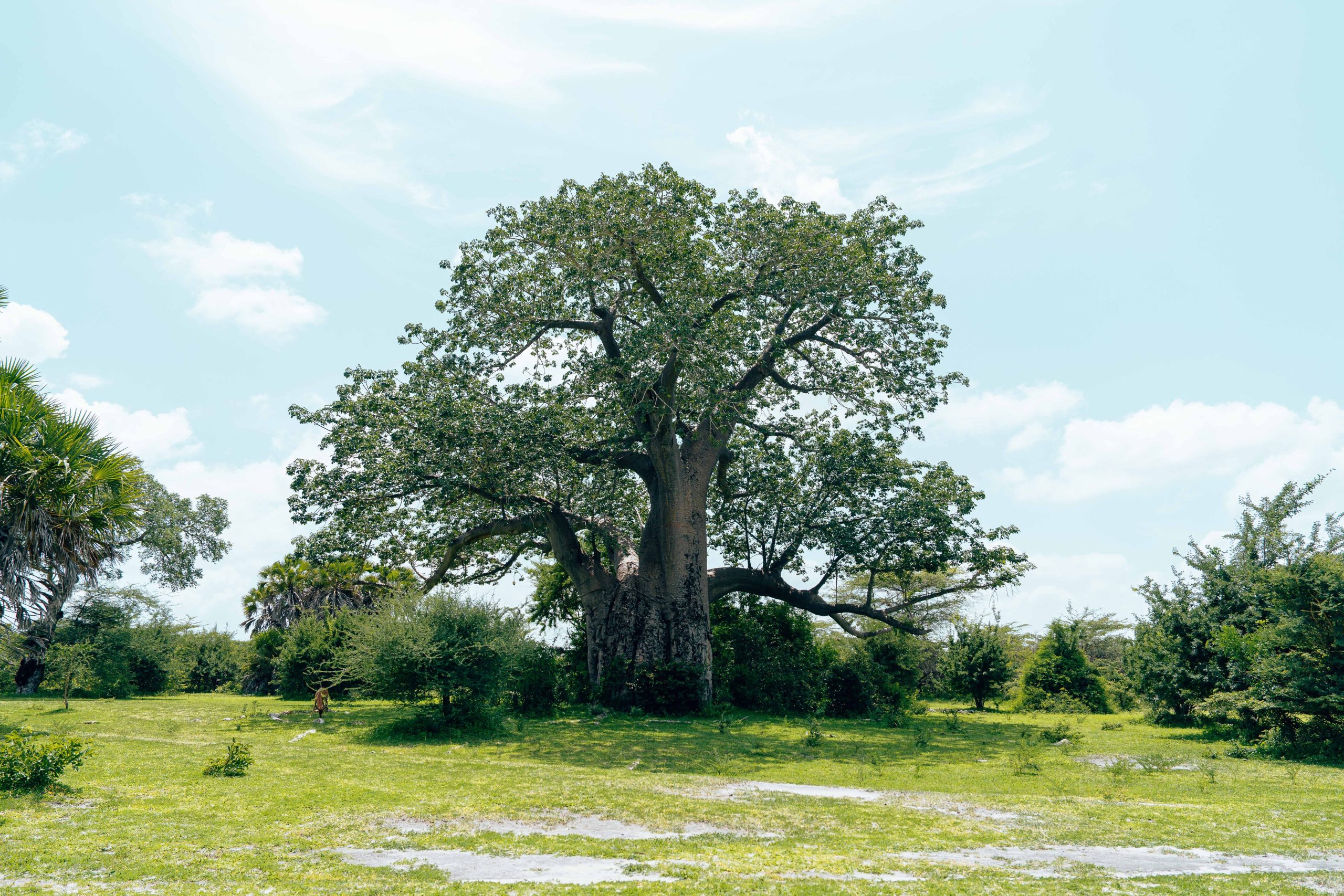
Indigenous trees play an important role in South Africa’s natural environment. These trees have grown in local areas for thousands of years. They have adapted to local rainfall, soil, temperatures, and wildlife.
Many communities, schools, farms, and parks plant indigenous trees to improve local environments. These trees support wildlife, protect natural resources, and improve air quality.
Planting indigenous trees helps create healthier ecosystems and stronger communities. Your decision to plant local tree species supports environmental protection for future generations.
What Are Indigenous Trees?
Indigenous trees are tree species that grow naturally in a specific region.
South Africa has hundreds of indigenous tree species. Each species grows in areas where local climate and soil support healthy growth.
Common indigenous trees include:
- Wild olive.
- Yellowwood.
- Marula.
- Fever tree.
- Karee.
- Cape ash.
These trees form part of South Africa’s natural heritage.
Why Indigenous Trees Matter
Indigenous trees support healthy ecosystems across South Africa.
These trees provide:
- Food for wildlife.
- Shelter for birds.
- Shade for people.
- Protection for soil.
- Cleaner air.
- Healthier water systems.
Healthy tree populations support healthy environments.
Indigenous Trees Support Biodiversity
Many plants and animals depend on indigenous trees for survival.
Indigenous trees support:
- Birds.
- Bees.
- Butterflies.
- Small mammals.
- Reptiles.
- Native insects.
Healthy biodiversity supports balanced ecosystems.
Food Sources For Wildlife
Many indigenous trees produce flowers, fruit, seeds, and leaves used by wildlife.
These food sources support:
- Birds.
- Monkeys.
- Antelope.
- Insects.
- Small mammals.
Natural food sources help wildlife survive throughout the year.
Shelter For Wildlife
Trees provide safe places for wildlife.
Indigenous trees provide:
- Nesting sites.
- Resting areas.
- Protection from predators.
- Breeding habitats.
- Shade during hot weather.
Healthy habitats support stable wildlife populations.
Improve Air Quality
Trees improve air quality through natural processes.
Indigenous trees help by:
- Producing oxygen.
- Trapping dust.
- Filtering air pollutants.
- Reducing airborne particles.
Cleaner air supports healthier communities.
Reduce Soil Erosion
Tree roots hold soil in place.
Indigenous trees reduce:
- Soil erosion.
- Land degradation.
- Loss of fertile soil.
- Damage from heavy rainfall.
Healthy soil supports farming and natural vegetation.
Protect Water Resources
Healthy tree cover protects rivers, wetlands, and groundwater.
Indigenous trees help by:
- Reducing soil movement.
- Improving water infiltration.
- Protecting riverbanks.
- Supporting groundwater recharge.
Healthy water resources support people and wildlife.
Provide Natural Shade
Shade improves outdoor spaces for people and animals.
Indigenous trees provide shade for:
- Homes.
- Schools.
- Parks.
- Livestock.
- Wildlife.
Shade reduces heat during warm weather.
Support Pollinators
Many pollinating animals depend on indigenous trees.
Pollinators help many plants produce fruit and seeds.
Improve Community Spaces
Indigenous trees improve public areas across South Africa.
Tree planting benefits:
- Schools.
- Parks.
- Streets.
- Community centres.
- Nature reserves.
Greener spaces support healthier communities.
Support Healthy Ecosystems
Healthy tree populations strengthen natural environments.
Indigenous trees support:
- Healthy soil.
- Water conservation.
- Wildlife habitats.
- Native vegetation.
- Biodiversity.
Planting indigenous trees helps protect South Africa’s natural environment for future generations.
Why Indigenous Trees Are A Better Choice
Indigenous trees grow naturally in South Africa. They have adapted to local rainfall, temperatures, soil, and wildlife over thousands of years.
Many non native tree species need more water and care.
Indigenous trees provide:
- Lower water use.
- Better wildlife habitats.
- Strong adaptation to local conditions.
- Healthier ecosystems.
- Lower maintenance.
Choosing indigenous trees supports South Africa’s environment.
Save Water
Water resources face pressure across South Africa.
Many indigenous trees grow with local rainfall after becoming established.
Water saving benefits include:
- Lower irrigation needs.
- Reduced pressure on water supplies.
- Better drought tolerance.
- Lower household water use.
Saving water protects groundwater, rivers, and dams.
Support Local Wildlife
Many wild animals depend on indigenous trees every day.
These trees support:
- Birds.
- Bees.
- Butterflies.
- Small mammals.
- Native insects.
Healthy wildlife populations support balanced ecosystems.
Improve Soil Health
Healthy soil supports farming, gardens, and indigenous plants.
Indigenous trees improve soil by:
- Holding soil in place.
- Reducing erosion.
- Adding organic matter.
- Supporting soil organisms.
Healthy soil supports healthy plant growth.
Protect Rivers And Wetlands
Trees protect rivers and wetlands from pollution and erosion.
Indigenous trees help by:
- Reducing soil runoff.
- Protecting riverbanks.
- Supporting wetlands.
- Improving water infiltration.
Healthy water resources support people and wildlife.
Reduce Flood Damage
Heavy rainfall causes flooding in many parts of South Africa.
Tree roots help reduce flood damage by:
- Holding soil together.
- Slowing water movement.
- Increasing water absorption.
- Reducing surface runoff.
Healthy tree cover protects land during heavy rainfall.
Improve Towns And Cities
Urban areas benefit from indigenous tree planting.
Trees improve towns and cities through:
- Cleaner air.
- More shade.
- Reduced dust.
- Greener public spaces.
Greener spaces improve daily life.
Support Home Gardens
Indigenous trees improve home gardens.
Benefits include:
- Shade for outdoor areas.
- Food for birds.
- Better biodiversity.
- Reduced soil erosion.
- Healthier gardens.
Home gardens support local wildlife.
Support Schools And Public Parks
Schools and parks become healthier places with indigenous trees.
Trees provide:
- Outdoor learning areas.
- Shade for visitors.
- Wildlife habitats.
- Cleaner surroundings.
Tree planting improves shared public spaces.
Improve Air Quality
Trees help remove dust and pollutants from the air.
Cleaner air supports:
- Better public health.
- Healthier outdoor spaces.
- Reduced air pollution.
Tree planting improves air quality.
Store Carbon
Trees absorb carbon dioxide during growth.
This process helps:
- Reduce greenhouse gases.
- Protect ecosystems.
- Improve environmental health.
Growing more indigenous trees supports environmental protection.
Support Sustainable Development
Planting indigenous trees supports environmental protection and community development.
Benefits include:
- Healthier ecosystems.
- Better biodiversity.
- Cleaner communities.
- Protected water resources.
- Environmental awareness.
Planting indigenous trees supports South Africa’s future.
How You Help Protect Indigenous Trees
Your daily actions protect indigenous trees and local ecosystems. Planting and caring for indigenous trees improves biodiversity and protects natural resources.
You help by:
- Planting indigenous tree species.
- Watering young trees.
- Protecting trees from damage.
- Removing litter around trees.
- Supporting local tree planting projects.
- Teaching others about indigenous trees.
Daily actions create healthier environments.
Choose The Right Indigenous Tree
Different indigenous tree species grow in different parts of South Africa.
Before planting a tree:
- Check local rainfall.
- Choose suitable soil.
- Allow enough growing space.
- Select species suited to your area.
- Buy trees from trusted nurseries.
Choosing the right species improves growth.
Care For Young Trees
Young trees need regular care during early growth.
You help young trees by:
- Watering during dry periods.
- Removing weeds.
- Protecting roots.
- Adding compost.
- Checking for damage.
Healthy trees grow into strong mature trees.
Protect Existing Trees
Protecting mature trees is as important as planting new ones.
You protect existing trees by:
- Avoiding unnecessary cutting.
- Preventing fires.
- Keeping waste away.
- Reporting illegal tree removal.
- Protecting surrounding soil.
Healthy trees support healthy ecosystems.
Plant Trees In Community Spaces
Community tree planting improves shared public areas.
Suitable planting locations include:
- Schools.
- Parks.
- Sports fields.
- Community centres.
- Open public spaces.
Tree planting improves neighbourhoods.
Support Wildlife
Indigenous trees provide food and shelter for many animals.
These trees support:
- Birds.
- Bees.
- Butterflies.
- Small mammals.
- Native insects.
Healthy habitats support healthy wildlife populations.
Reduce Soil Erosion
Tree roots protect soil from erosion.
Planting indigenous trees helps:
- Hold soil in place.
- Reduce erosion.
- Protect farmland.
- Improve soil quality.
- Reduce surface runoff.
Healthy soil supports agriculture and native plants.
Protect Water Resources
Tree planting supports healthy rivers, wetlands, and groundwater.
Indigenous trees help by:
- Protecting riverbanks.
- Improving water infiltration.
- Reducing soil movement.
- Supporting groundwater recharge.
- Protecting wetlands.
Healthy water resources support people and wildlife.
Support Community Tree Planting
Many communities organise tree planting activities each year.
You support these activities by:
- Volunteering during planting events.
- Donating indigenous trees.
- Helping care for planted trees.
- Encouraging family and friends to participate.
- Supporting environmental organisations.
Community participation increases tree cover.
Frequently Asked Questions
Why Should You Plant Indigenous Trees?
Indigenous trees support wildlife, improve air quality, protect soil, conserve water, and strengthen biodiversity.
Do Indigenous Trees Need Less Water?
Many indigenous tree species grow well with local rainfall after becoming established.
Where Should You Plant Indigenous Trees?
Plant indigenous trees in gardens, schools, parks, farms, community spaces, and other suitable locations.
How Do Indigenous Trees Help Wildlife?
They provide food, nesting sites, shelter, and breeding areas for many native animal species.
How Do Indigenous Trees Protect The Environment?
They improve air quality, reduce soil erosion, protect water resources, store carbon, and support biodiversity.
Conclusion
Indigenous trees support wildlife, protect soil, improve air quality, and conserve water across South Africa.
Every tree planted strengthens local ecosystems and improves community environments.
Your decision to plant and protect indigenous trees supports South Africa’s environment for future generations.