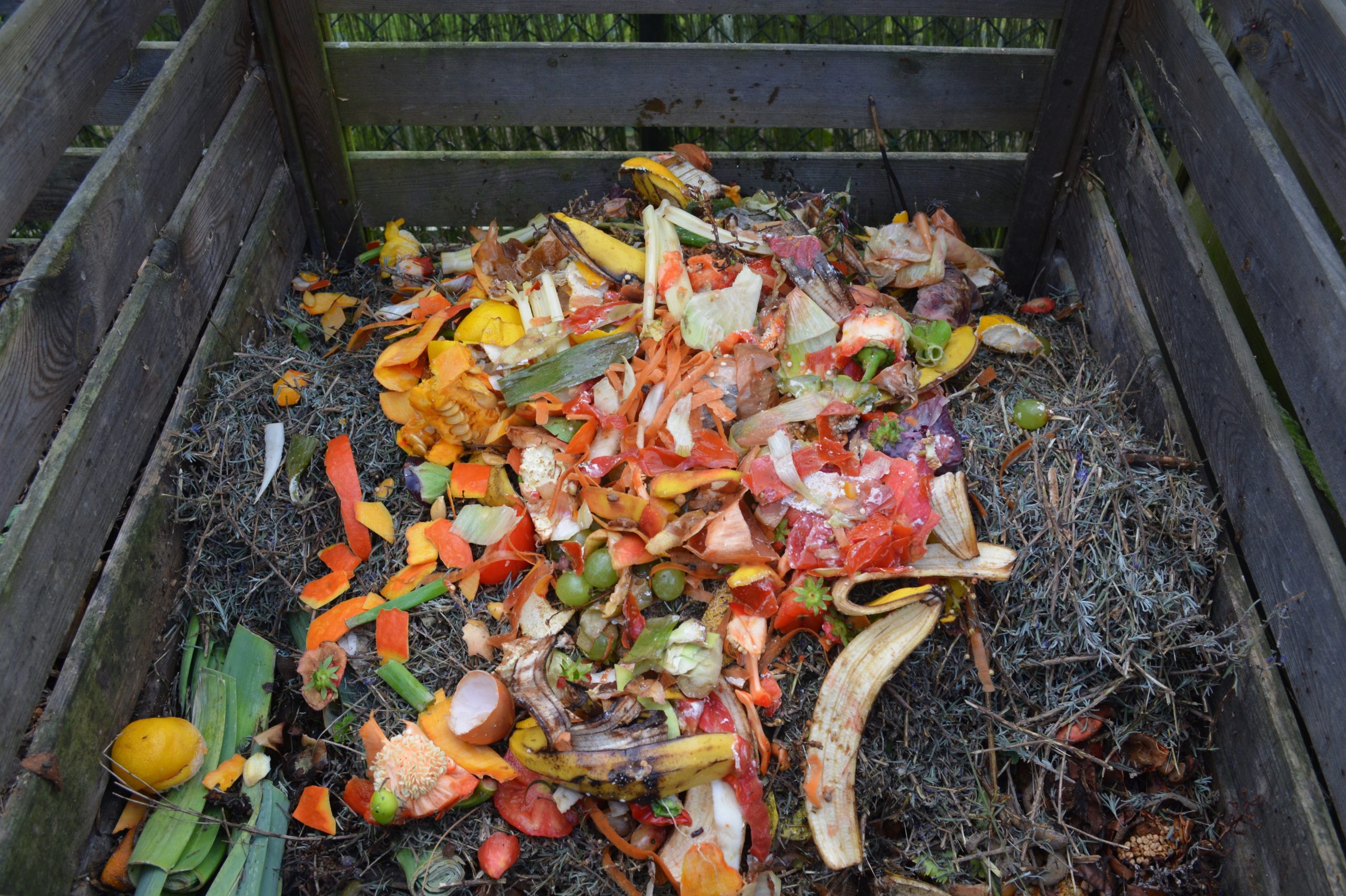
Every day, many households throw food scraps and garden waste into rubbish bins. Much of this waste ends up in landfill sites. Organic waste releases methane as decomposition takes place without enough oxygen. Methane traps more heat than carbon dioxide over a 100 year period.
Home composting gives food scraps and garden waste a new purpose. You turn waste into compost for your garden. Compost feeds your soil and supports healthy plant growth. You also reduce the amount of waste leaving your home.
You do not need a large garden. You do not need expensive equipment. A simple compost bin or a small compost pile works well. A little care each week keeps the process moving.
This guide explains every step. You will learn how composting works. You will learn which materials belong in a compost pile. You will also learn how to avoid common mistakes.
Why Composting Matters
Home composting helps your home, your garden, and the environment.
- Reduces household waste.
- Reduces waste sent to landfill sites.
- Improves soil structure.
- Helps soil hold water for longer.
- Supports healthy plant growth.
- Reduces the need for chemical soil conditioners.
- Supports earthworms and useful soil organisms.
Food waste forms a large share of household rubbish. Composting keeps much of this waste out of landfill sites. Your rubbish bin fills more slowly. Your garden receives natural organic matter instead of manufactured products.
What Is Compost
Compost forms after organic materials break down through natural biological activity. Bacteria, fungi, insects, and earthworms all play a role in this process.
Finished compost looks dark and crumbly. Healthy compost smells like fresh soil. Large pieces of fresh food should no longer appear in finished compost.
Good compost improves soil quality. Healthy soil supports stronger roots and healthier plants.
How Composting Works
Composting depends on four main ingredients.
- Air.
- Water.
- Carbon.
- Nitrogen.
Carbon comes from brown materials.
Nitrogen comes from green materials.
Microorganisms feed on these materials. Air supports healthy decomposition. Moisture keeps the pile active. A balanced mixture produces compost more quickly.
A compost pile with too much water breaks down slowly. A dry pile also slows the process.
What You Should Compost
Most kitchens and gardens produce suitable compost materials every day.
Green Materials
- Fruit peels.
- Vegetable scraps.
- Coffee grounds.
- Tea leaves.
- Fresh grass clippings.
- Fresh weeds without seeds.
- Fresh garden trimmings.
- Crushed eggshells.
Brown Materials
- Dry leaves.
- Small twigs.
- Straw.
- Cardboard.
- Newspaper.
- Brown paper bags.
- Paper egg cartons.
- Sawdust from untreated wood.
Mix green and brown materials throughout your compost pile. A balanced mixture supports steady decomposition.
What You Should Avoid
Some materials create problems inside a compost pile. Others attract pests or spread disease.
Avoid adding:
- Meat.
- Fish.
- Dairy products.
- Cooking oil.
- Animal fat.
- Pet waste.
- Diseased plants.
- Coal ash.
- Plastic.
- Glass.
- Metal.
- Glossy paper.
Keeping these materials out of your compost pile improves compost quality and reduces unpleasant smells.
Choosing a Compost Bin
Several compost systems work well for beginners.
Open Compost Pile
An open compost pile suits larger gardens. Choose a level area with good drainage. Turn the pile often.
Plastic Compost Bin
Plastic bins keep compost neat. Small ventilation holes improve airflow. Many households choose this option because setup takes little effort.
Wooden Compost Bin
Wooden bins offer good airflow. Many people build one from old pallets or timber.
Compost Tumbler
A compost tumbler rotates easily. Regular mixing helps materials break down more evenly.
Choosing the Best Location
Location plays an important role.
Choose a place with:
- Good drainage.
- Partial shade.
- Easy access.
- Enough space around the compost bin.
Avoid low areas where rainwater collects. Too much water slows decomposition.
Place your compost bin close to your kitchen. Daily food scraps become easier to add.
How to Start Your Compost Pile
Start with brown materials.
Dry leaves or small twigs form a good first layer. This layer improves airflow from the bottom.
Add a layer of green materials.
Continue adding thin layers as new materials become available.
A simple layering pattern looks like this.
Dry leaves.
- Vegetable scraps.
- Cardboard.
- Grass clippings.
- Newspaper.
- Fruit peels.
Water each layer until the materials feel like a damp sponge.
Avoid soaking the pile.
Keep the pile loose. Good airflow supports healthy decomposition. A balanced compost pile produces rich compost for your garden over time.
How to Care for Your Compost Pile
Your compost pile needs regular care. A few simple tasks each week keep decomposition moving. Regular care also improves compost quality.
Turn Your Compost Often
Turn your compost every one or two weeks.
Turning brings fresh air into the pile. Bacteria and fungi need oxygen for healthy decomposition.
Use a garden fork or compost aerator. Move materials from the outside into the centre.
Keep the Right Moisture Level
Your compost should feel like a damp sponge.
A dry pile slows decomposition.
A wet pile blocks airflow.
Add a small amount of water if your compost feels dry.
Add dry leaves, shredded cardboard, or newspaper if your compost feels wet.
Add New Materials Gradually
Add kitchen scraps and garden waste throughout the week.
Cover fresh food scraps with brown materials.
This step reduces smells. This step also helps keep flies away.
Cut Large Materials Into Small Pieces
Large branches and thick stems break down slowly.
Cut large materials before adding them.
Smaller pieces break down faster.
Common Composting Mistakes
Many beginners face similar problems.
Simple changes improve compost quality.
Adding Too Many Green Materials
Large amounts of grass clippings or food scraps create a wet pile.
Wet compost often produces unpleasant smells.
Mix green materials with dry leaves, straw, or shredded cardboard.
Adding Too Few Brown Materials
Brown materials supply carbon.
Low carbon levels slow decomposition.
Keep a supply of dry leaves or shredded cardboard nearby.
Adding Meat and Dairy Products
Meat, fish, dairy products, and cooking oil attract flies and rodents.
Leave these materials out of your compost pile.
Leaving the Compost Untouched
A compost pile needs fresh air.
Turn your compost every one or two weeks.
Regular turning supports healthy decomposition.
Adding Diseased Plants
Diseased plants spread harmful organisms.
Place diseased plants into household waste instead.
How to Solve Common Compost Problems
Most compost problems have simple solutions.
Bad Smells
Bad smells often come from excess moisture or poor airflow.
Add:
- Dry leaves.
- Shredded cardboard.
- Dry newspaper.
Turn the pile well.
Dry Compost
Dry compost breaks down slowly.
Add a small amount of water.
Mix the pile after watering.
Wet Compost
Wet compost reduces airflow.
Add more brown materials.
Turn the pile until everything mixes well.
Flies Around the Compost
Flies gather around uncovered food scraps.
Cover food scraps with dry leaves or shredded paper.
Keep meat and dairy products out of the compost.
Slow Decomposition
Several problems slow decomposition.
- Large pieces of material.
- Dry compost.
- Poor airflow.
- Too many brown materials.
Cut large materials into smaller pieces.
Turn the pile more often.
Add more green materials if needed.
How Long Compost Takes
Compost needs time.
A well cared for compost pile often produces finished compost within three to six months.
A neglected pile often takes longer.
Warm weather speeds decomposition.
Cold weather slows decomposition.
How to Know Your Compost Is Ready
Finished compost has several clear signs.
Dark brown or black colour.
- Crumbly texture.
- Fresh earthy smell.
- No visible food scraps.
- Cool temperature.
Remove large sticks and place them into a new compost pile.
How to Use Finished Compost
Finished compost improves soil across many parts of your garden.
Vegetable Gardens
Spread compost across planting beds.
Mix compost into the soil before planting.
Healthy soil supports healthy vegetables.
Flower Beds
Spread compost around flowers.
Water after spreading compost.
Trees and Shrubs
Spread compost around the base.
Leave space around the trunk.
Lawns
Spread a thin layer across your lawn.
Water after application.
Potted Plants
Mix compost with potting soil.
Compost improves soil structure. Compost also helps soil hold moisture.
Composting in Small Spaces
A large garden is not required.
Small outdoor spaces also support composting.
Good options include:
- Small compost bins.
- Compost tumblers.
- Covered compost containers.
- Choose a shaded area with good drainage.
- Add green and brown materials regularly.
Turn the compost often.
Simple Habits for Better Compost
Good compost starts with steady habits.
- Add green and brown materials in balanced amounts.
- Turn the pile every one or two weeks.
- Keep the compost damp.
- Cut large materials into smaller pieces.
- Leave meat, dairy products, and cooking oil out of the compost.
- Cover fresh food scraps with brown materials.
- Allow enough time for decomposition.
Regular care produces healthy compost. Your soil becomes richer. Your plants grow in better conditions. Your household sends less organic waste to landfill sites.
Frequently Asked Questions About Home Composting
Does Compost Smell Bad?
A healthy compost pile smells like fresh soil.
Bad smells often come from poor airflow or too much moisture.
Turn the pile.
Add dry leaves, shredded cardboard, or newspaper.
Cover fresh food scraps with brown materials.
Does Compost Attract Pests?
Meat, fish, dairy products, and cooking oil attract rats and flies.
Fruit and vegetable scraps covered with brown materials reduce this problem.
Keep your compost bin closed if your bin has a lid.
How Often Should You Turn Compost?
Turn your compost every one or two weeks.
Fresh air supports healthy decomposition.
Regular turning mixes all materials evenly.
Does Rain Affect Compost?
Heavy rain adds too much moisture.
Place your compost bin in an area with good drainage.
Cover open compost piles during long periods of rain.
Should You Add Weeds?
Young weeds without seeds belong in a compost pile.
Weeds with seeds spread through your garden after compost application.
Leave seeded weeds out of your compost.
Should You Add Citrus Peels?
Small amounts of citrus peels belong in a compost pile.
Cut large peels into smaller pieces.
Mix citrus peels with other compost materials.
Should You Crush Eggshells?
Yes.
Crushed eggshells break down faster than whole shells.
Small pieces also mix more easily with other compost materials.
Seasonal Composting Tips
Weather affects composting throughout the year.
Summer
Warm weather speeds decomposition.
Check moisture often.
Add water if the pile feels dry.
Winter
Cold weather slows decomposition.
Keep adding kitchen scraps and brown materials.
Turn the pile whenever conditions allow.
Rainy Periods
Heavy rain adds extra moisture.
Cover open compost piles.
Add dry leaves or shredded cardboard after heavy rain.
Benefits for Vegetable Gardens
Healthy soil supports healthy vegetables.
Spread compost across planting beds before planting.
Mix compost into the soil.
Compost improves soil structure.
Compost helps soil hold moisture.
Many gardeners add compost before each growing season.
Vegetables such as tomatoes, spinach, beans, carrots, cabbage, and peppers grow well in compost rich soil.
Benefits for Flower Gardens
Flowers grow better in healthy soil.
Spread compost around flower beds before planting.
Apply another thin layer during the growing season.
Healthy soil supports steady flower growth.
Benefits for Trees and Shrubs
Trees and shrubs need healthy soil for steady growth.
Spread compost around the root area.
Leave space around the trunk.
Water after spreading compost.
Simple Composting Habits for Every Home
Daily habits improve compost quality.
Keep a small container in your kitchen for food scraps.
Empty the container into your compost bin every few days.
Store dry leaves or shredded cardboard nearby.
Mix new materials into the pile.
Turn the compost often.
Check moisture every week.
Remove plastic, glass, and metal before adding waste.
These habits keep your compost pile healthy throughout the year.
Environmental Benefits of Home Composting
Home composting reduces household waste.
Less organic waste reaches landfill sites.
Healthy soil holds more water.
Healthy soil supports earthworms and useful soil organisms.
Many households composting together reduce large amounts of organic waste each year.
Every compost pile supports a cleaner environment.
Start Composting Today
Home composting starts with simple daily habits.
Food scraps and garden waste become compost instead of landfill waste.
A balanced mix of green and brown materials supports healthy decomposition.
Regular turning and proper moisture improve compost quality.
Healthy compost improves soil for vegetables, flowers, lawns, trees, and shrubs.
Every compost pile reduces waste.
Every handful of compost improves your garden.
Your first compost pile starts with food scraps from your next meal.