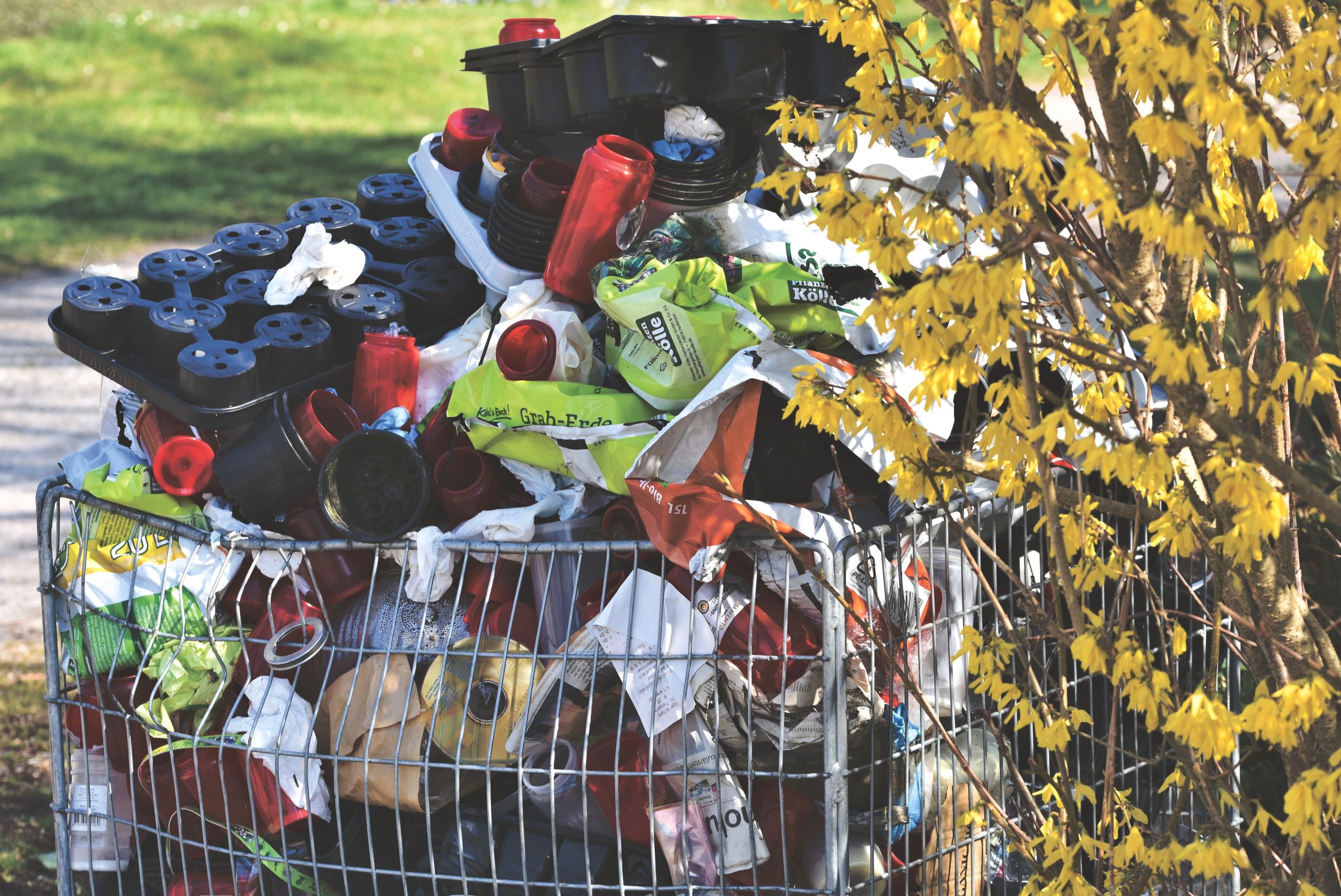
Plastic products are part of everyday life. People use plastic for shopping, food packaging, household items, and personal care products. Many plastic items become waste after one use.
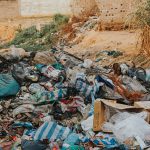
Plastic waste is a growing environmental problem in South Africa and across the world. Large amounts of plastic reach landfill sites, rivers, beaches, and oceans every year.
Plastic stays in the environment for hundreds of years. During this time, plastic pollution harms wildlife, water resources, soil, and communities.
Reducing plastic waste protects the environment and supports cleaner communities. Your daily choices help reduce pollution.
What Is Plastic Waste?
Plastic waste includes plastic products thrown away after use.
Common examples include:
- Shopping bags.
- Plastic bottles.
- Food containers.
- Straws.
- Plastic cups.
- Plastic packaging.
Some plastic enters recycling systems. Large amounts end up in landfill sites or natural environments.
Why Plastic Waste Is A Growing Problem
Plastic production has increased across the world. Higher production creates more waste.
Many plastic products stay in the environment for hundreds of years.
Plastic pollution affects:
- Rivers.
- Wetlands.
- Beaches.
- Oceans.
- Parks.
- Communities.
Poor waste management increases plastic pollution.
Common Sources Of Plastic Waste At Home
Many household activities produce plastic waste every day.
Common sources include:
- Food packaging.
- Shopping bags.
- Water bottles.
- Cleaning product containers.
- Takeaway packaging.
- Personal care products.
Looking at your daily habits helps reduce unnecessary plastic use.
Single Use Plastics
Single use plastics serve one purpose before disposal.
Examples include:
- Plastic cutlery.
- Plastic straws.
- Disposable cups.
- Plastic plates.
- Plastic shopping bags.
Replacing these products with reusable alternatives reduces plastic waste.
Plastic Packaging
Packaging forms a large share of household plastic waste.
Common packaging includes:
- Snack wrappers.
- Plastic film.
- Food trays.
- Bottle lids.
- Delivery packaging.
Choosing products with less packaging reduces household waste.
Environmental Effects Of Plastic Waste
Plastic pollution damages natural environments across South Africa.
Plastic waste affects:
- Rivers.
- Wetlands.
- Forests.
- Beaches.
- Oceans.
Clean environments support healthy ecosystems.
Plastic Pollution And Wildlife
Wild animals face serious risks from plastic waste.
Plastic affects wildlife through:
- Swallowing plastic.
- Getting trapped in plastic.
- Habitat pollution.
- Reduced food supplies.
Reducing plastic waste protects wildlife.
Plastic Pollution And Water Resources
Plastic waste often reaches rivers through stormwater systems and illegal dumping.
Polluted water affects:
- Drinking water sources.
- Wetlands.
- Rivers.
- Aquatic animals.
- Coastal environments.
Keeping plastic away from waterways protects water quality.
Plastic Waste And Soil Pollution
Plastic waste also affects soil quality.
Plastic pollution leads to:
- Poor soil health.
- Reduced plant growth.
- Harm to soil organisms.
- Pollution of agricultural land.
Healthy soil supports food production and biodiversity.
Health Effects Of Plastic Pollution
Plastic pollution affects community health.
Poor waste management creates:
- Blocked drainage systems.
- Pest problems.
- Unsafe public spaces.
- Environmental pollution.
Clean communities support healthier living conditions.
Why Reducing Plastic Waste Matters
Reducing plastic waste benefits people and the environment.
Important benefits include:
- Cleaner communities.
- Healthier wildlife.
- Cleaner rivers.
- Reduced pollution.
- Better waste management.
- Protection of natural resources.
Every person helps reduce plastic pollution.
Your Daily Choices Matter
Simple daily actions reduce plastic waste.
You help by:
- Carrying reusable shopping bags.
- Choosing reusable water bottles.
- Avoiding unnecessary packaging.
- Recycling plastic products.
- Disposing of waste correctly.
Daily actions support cleaner communities and healthier natural environments.
Simple Ways To Reduce Plastic Waste At Home
Reducing plastic waste starts with your daily habits. Small changes reduce pollution and lower the amount of waste sent to landfill sites.
You reduce plastic waste by:
- Carrying reusable shopping bags.
- Using reusable water bottles.
- Choosing reusable food containers.
- Avoiding unnecessary packaging.
- Recycling plastic products.
Daily habits support cleaner communities.
Carry A Reusable Shopping Bag
Plastic shopping bags create large amounts of waste.
You reduce plastic bag waste by:
- Carrying a cloth shopping bag.
- Keeping reusable bags in your car.
- Taking reusable bags to supermarkets.
- Reusing shopping bags many times.
One reusable bag replaces many disposable bags.
Use A Reusable Water Bottle
Plastic water bottles become waste after one use.
A reusable bottle helps you:
- Reduce plastic waste.
- Save money.
- Reduce litter.
- Lower household waste.
Choose a stainless steel or glass bottle.
Choose Reusable Food Containers
Glass and stainless steel food containers last for many years.
Reusable containers help you:
- Store leftovers.
- Pack lunches.
- Reduce plastic packaging.
- Reduce household waste.
Long lasting products reduce waste over time.
Avoid Single Use Plastic Products
Many plastic products serve one purpose before disposal.
Replace products such as:
- Plastic straws.
- Plastic cutlery.
- Plastic cups.
- Plastic plates.
- Plastic stirrers.
Reusable products reduce waste every day.
Buy Products With Less Packaging
Many products contain unnecessary plastic packaging.
You reduce packaging waste by:
- Buying loose fruit and vegetables.
- Choosing larger refill packs.
- Buying products packed in paper.
- Shopping at refill stores.
Less packaging creates less waste.
Recycle Plastic Correctly
Recycling keeps plastic away from landfill sites and natural environments.
Common recyclable items include:
- Plastic bottles.
- Milk containers.
- Food containers.
- Detergent bottles.
- Plastic packaging accepted by local recycling programmes.
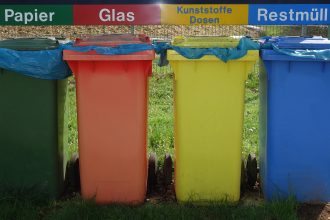
Separate recyclable waste before disposal.
Reduce Plastic Bottle Waste
Plastic bottles create large amounts of waste every year.
You reduce plastic bottle waste by:
- Filling reusable bottles at home.
- Carrying your own water bottle.
- Refilling your bottle during the day.
These habits reduce plastic waste.
Choose Reusable Kitchen Products
Many kitchens contain disposable plastic products.
Replace them with:
- Cloth dish cloths.
- Glass storage containers.
- Stainless steel lunch boxes.
- Refillable soap containers.
- Reusable food wraps.
Reusable products reduce household waste.
Reduce Plastic Waste While Shopping
Shopping habits affect plastic waste.
You reduce waste by:
- Buying fresh produce without plastic wrapping.
- Choosing recyclable packaging.
- Buying refill products.
- Carrying reusable produce bags.
Responsible shopping reduces waste.
Reduce Plastic Waste At School And Work
Schools and workplaces produce plastic waste every day.
You reduce waste by:
Carrying reusable lunch containers.
Using reusable water bottles.
Packing reusable cutlery.
Avoiding disposable cups.
Recycling plastic waste.
Daily habits improve schools and workplaces.
Teach Your Family About Plastic Waste
Families reduce more waste when everyone works together.
Encourage family members to:
- Recycle plastic.
- Reuse household products.
- Reduce unnecessary purchases.
- Dispose of waste correctly.
- Keep public spaces clean.
Shared responsibility supports cleaner communities.
Support Local Recycling Programmes
Many communities provide recycling services.
You support these programmes by:
- Separating recyclable waste.
- Following local recycling rules.
- Using recycling collection points.
- Encouraging neighbours to recycle.
Community participation strengthens waste management.
Reduce Plastic Waste In Your Community
Your actions help create cleaner neighbourhoods. Working together reduces plastic pollution and improves public spaces.
You help your community by:
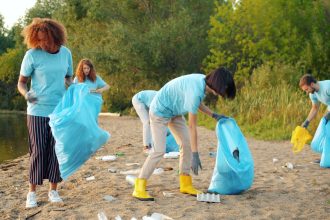
• Joining local clean up events.
• Picking up litter during walks.
• Supporting recycling projects.
• Reporting illegal dumping.
• Encouraging responsible waste disposal.
Community action keeps shared spaces clean.
Support Businesses With Responsible Practices
Many businesses reduce plastic waste through better packaging and responsible waste management.
You support these businesses by:
- Buying products with recyclable packaging.
- Choosing refill products.
- Carrying reusable shopping bags.
- Supporting local markets with less packaging.
- Buying durable products.
Your shopping choices encourage responsible business practices.
Reduce Plastic Waste During Special Events
Parties, picnics, and celebrations often produce unnecessary plastic waste.
You reduce waste by:
- Using reusable plates.
- Using reusable cups.
- Using metal cutlery.
- Serving drinks in reusable containers.
- Sorting waste for recycling.
Planning before an event reduces rubbish.
Travel With Reusable Products
Reusable products reduce plastic waste while travelling.
Carry:
- A reusable water bottle.
- A reusable coffee cup.
- A reusable lunch container.
- Reusable shopping bags.
- Metal cutlery.
These products reduce disposable plastic waste.
Choose Long Lasting Products
Long lasting products reduce household waste.
Choose:
- Glass containers.
- Stainless steel bottles.
- Cloth shopping bags.
- Wooden kitchen tools.
- Refillable household products.
Durable products reduce waste and replacement costs.
Teach Children About Plastic Waste
Children develop responsible habits through daily practice.
Teach children to:
- Recycle plastic correctly.
- Throw rubbish into bins.
- Reuse suitable products.
- Keep parks clean.
- Respect nature.
Good habits support cleaner communities.
Support School Recycling Programmes
Schools help reduce plastic waste through education and recycling.
Schools support waste reduction by:
- Providing recycling bins.
- Organising clean up activities.
- Teaching waste management.
- Reducing single use plastics.
- Encouraging reusable products.
Students help keep school grounds clean.
The Role Of Government
Government supports plastic waste reduction through environmental policies and waste management.
Important actions include:
- Expanding recycling programmes.
- Improving waste collection.
- Enforcing waste laws.
- Supporting public education.
- Reducing illegal dumping.
Strong waste management protects natural resources.
Future Priorities
Plastic pollution affects communities across South Africa. Responsible action supports cleaner surroundings and healthier ecosystems.
Important priorities include:
- Reducing plastic waste.
- Improving recycling.
- Protecting rivers.
- Protecting wildlife.
- Reducing litter.
- Supporting responsible consumption.
Shared responsibility protects the environment.
Frequently Asked Questions
Why Should You Reduce Plastic Waste?
Reducing plastic waste protects wildlife, water resources, soil, public health, and natural ecosystems.
What Are Single Use Plastics?
Single use plastics include plastic bags, straws, disposable cups, plates, and cutlery used once before disposal.
How Do Reusable Products Help?
Reusable products reduce household waste, reduce pollution, and lower demand for disposable plastic products.
What Plastic Products Should You Recycle?
Recycle plastic bottles, food containers, detergent bottles, and other plastic packaging accepted by local recycling programmes.
How Do You Reduce Plastic Waste Every Day?
Carry reusable shopping bags, use reusable bottles, recycle plastic, avoid unnecessary packaging, and dispose of waste correctly.
Conclusion
Plastic waste affects communities, wildlife, rivers, beaches, and natural ecosystems across South Africa.
Every daily choice supports cleaner surroundings. Responsible shopping, recycling, proper waste disposal, and reusable products reduce plastic pollution.
Your actions protect natural resources, improve public health, and support a cleaner environment for future generations.