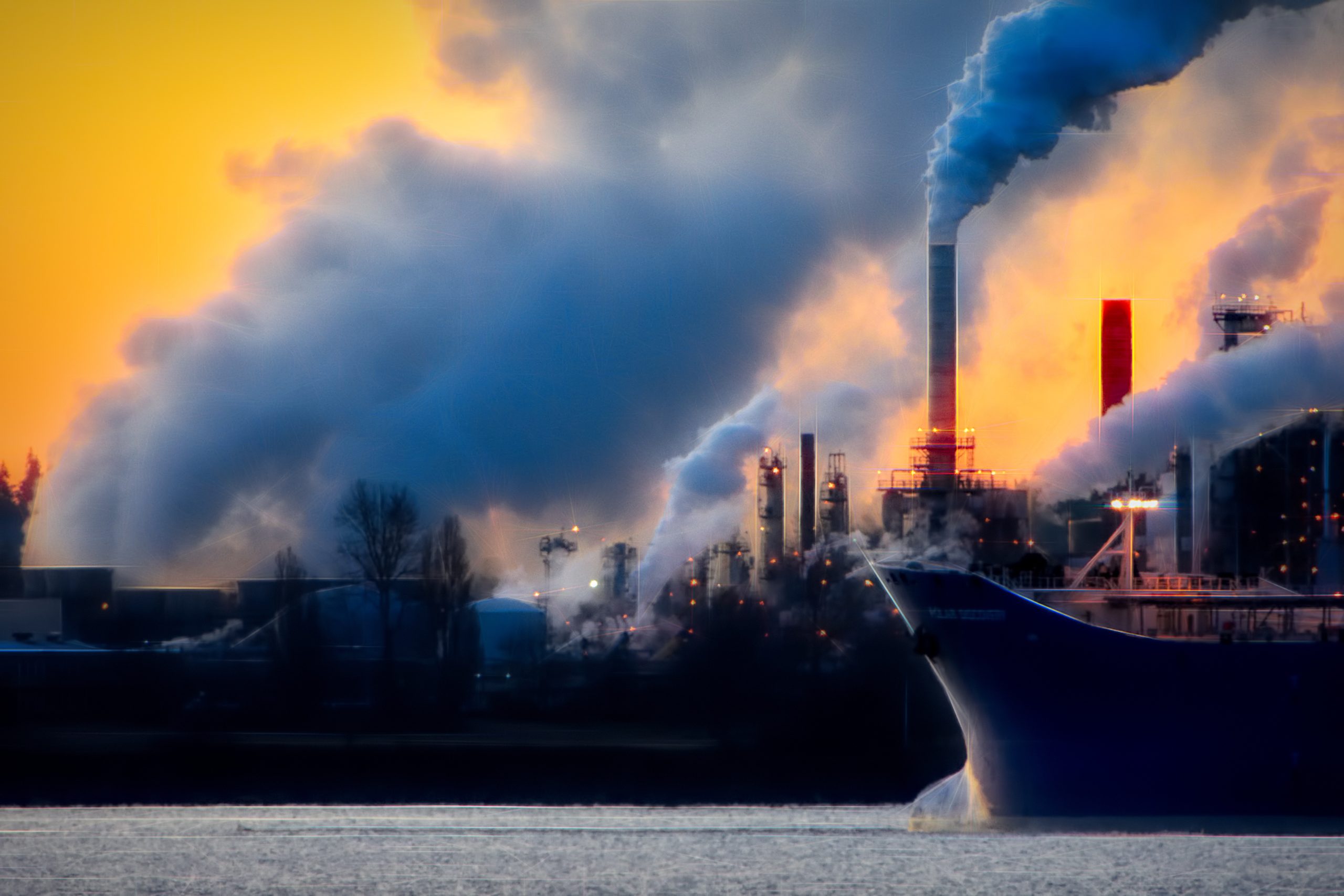
Air pollution affects millions of people across South Africa every day. Dirty air increases health risks, damages natural ecosystems, and places pressure on the economy. Many towns and cities experience poor air quality because of coal power stations, mining, factories, traffic, and the burning of solid fuels in homes.
Poor air quality affects people of all ages. Children, older adults, and people with breathing problems face the highest risk. Polluted air also damages crops, wildlife, water sources, and soil. Health care costs rise as more people need treatment for pollution-related illnesses.
South Africa needs practical action from government, businesses, and communities. Cleaner energy, stronger environmental laws, better waste management, and public awareness all improve air quality. Understanding the causes of air pollution helps you support solutions that protect people and the environment.
What Is Air Pollution?
Air pollution happens when harmful substances enter the atmosphere. These substances reduce air quality and threaten human health, wildlife, plants, and ecosystems. Pollutants include gases, smoke, dust, chemicals, and tiny particles.
Natural events such as wildfires, volcanic eruptions, and dust storms produce pollution. Human activities produce most air pollution across South Africa. Electricity generation, transport, mining, manufacturing, and waste burning produce large amounts of harmful emissions.
Common air pollutants include:
- Carbon monoxide
- Sulphur dioxide
- Nitrogen oxides
- Ground-level ozone
- Particulate matter, PM2.5 and PM10
- Volatile organic compounds
Fine particles pose one of the biggest health risks. These particles enter the lungs and bloodstream. Long-term exposure increases the risk of serious diseases.
Major Causes of Air Pollution in South Africa
Several human activities reduce air quality across South Africa. Some pollution comes from large industries. Other sources come from daily activities in homes and communities.
Coal-Fired Power Stations
South Africa produces most electricity from coal. Power stations burn thousands of tonnes of coal every day. This process releases sulphur dioxide, nitrogen oxides, particulate matter, and carbon dioxide into the atmosphere.
Communities living near coal power stations often experience poor air quality throughout the year. Long-term exposure increases the risk of respiratory diseases and contributes to climate change.
Greater investment in solar and wind energy reduces pollution and supports cleaner electricity generation.
Mining Activities
Mining supports thousands of jobs and contributes to economic growth. Mining operations also release large amounts of dust into the air.
Blasting, drilling, crushing rock, and transporting minerals create airborne particles. Strong winds carry dust into nearby homes, schools, and businesses.
Mine waste dumps produce additional dust during dry weather. Dust control systems, water spraying, and responsible environmental management reduce pollution around mining sites.
Industrial Manufacturing
Factories produce many goods used every day. Industrial processes also release harmful emissions into the atmosphere.
Major sources include:
- Steel manufacturing
- Cement production
- Chemical processing
- Oil refining
- Paper manufacturing
Modern pollution control equipment reduces emissions. Regular inspections and compliance with environmental laws improve air quality around industrial areas.
Vehicle Emissions
Road transport contributes heavily to air pollution. Cars, taxis, buses, trucks, and motorcycles release harmful gases while engines operate.
Common vehicle pollutants include:
- Carbon monoxide
- Nitrogen oxides
- Hydrocarbons
- Fine particulate matter
Traffic congestion increases fuel use and produces more pollution. Older vehicles with poor maintenance often release higher levels of harmful emissions.
Reliable public transport, walking, cycling, and car sharing reduce vehicle pollution.
Household Fuel Burning
Many households use coal, wood, paraffin, or charcoal for cooking and heating. Smoke from these fuels pollutes indoor and outdoor air.
People living in poorly ventilated homes breathe smoke for long periods. Children and older adults face greater health risks because their lungs are more sensitive.
Access to cleaner energy improves indoor air quality and reduces health problems.
Open Waste Burning
Some communities burn household waste because of limited waste collection services. Burning rubbish releases harmful gases and toxic chemicals into the air.
Plastic, rubber, treated wood, and electronic waste produce dangerous smoke. These pollutants affect nearby homes and contribute to poor air quality.
Better waste collection, recycling programmes, and community education reduce open waste burning.
Agricultural Activities
Farming also contributes to air pollution. Common sources include crop burning, dust from farming activities, livestock emissions, and fertiliser use.
Sustainable farming practices reduce pollution while protecting soil and food production.
Areas Most Affected
Air pollution levels differ across South Africa. Industrial activity, mining, electricity generation, and heavy traffic influence local air quality.
Areas with higher pollution levels include:
- Highveld Priority Area
- Vaal Triangle Airshed Priority Area
- Mpumalanga coal-producing region
- Johannesburg metropolitan area
- Ekurhuleni industrial area
- Durban South Industrial Basin
Weather conditions also affect pollution levels. Cold winter mornings often trap pollutants close to the ground. This increases exposure for nearby communities.
Air quality monitoring helps environmental authorities identify pollution hotspots and develop practical solutions.
Health Effects of Air Pollution
Clean air supports healthy lungs, hearts, and immune systems. Polluted air exposes people to harmful gases and fine particles every day.
Short-term exposure often causes:
- Coughing
- Sore throat
- Eye irritation
- Headaches
- Difficulty breathing
Repeated exposure increases health risks over time.
Long-term exposure increases the risk of:
- Asthma
- Chronic bronchitis
- Chronic obstructive pulmonary disease
- Lung cancer
- Heart disease
- Stroke
Children breathe faster than adults and face higher exposure to polluted air. Older adults and people living with heart or lung diseases also experience greater health risks.
Poor air quality increases hospital admissions, medical expenses, and time away from work or school. Cleaner air supports healthier communities and reduces pressure on health services.
Environmental Effects
Air pollution affects people, wildlife, plants, and natural resources. Poor air quality changes ecosystems and reduces the health of forests, rivers, farmland, and wildlife. Long-term pollution creates problems that take years to repair.
Climate Change
Coal, oil, and gas release greenhouse gases into the atmosphere. Carbon dioxide forms the largest share of these emissions in South Africa because coal supplies most electricity.
Rising temperatures increase droughts, floods, heatwaves, and severe storms. These changes reduce water supplies and place pressure on agriculture.
Many farmers face lower crop production during long dry periods. Water shortages also affect households, businesses, and industries.
Damage to Vegetation
Polluted air harms crops, forests, and natural vegetation. Harmful gases damage leaves and reduce plant growth.
Poor plant growth affects food production and reduces income for farmers. Forests also lose strength after long periods of exposure to polluted air.
Healthy vegetation supports clean water, healthy soil, and wildlife habitats. Better air quality protects these natural systems.
Acid Rain
Sulphur dioxide and nitrogen oxides mix with water droplets in the atmosphere. This process forms acid rain.
Acid rain damages rivers, lakes, forests, farmland, and buildings. Soil loses nutrients needed for healthy crops. Fish and other aquatic animals struggle in polluted water.
Buildings and public infrastructure also wear down faster after repeated exposure to acid rain.
Loss of Biodiversity
Many plants and animals depend on clean air for survival. Pollution changes habitats and reduces food supplies.
Some species move into cleaner areas. Others decline because polluted environments reduce survival rates.
Protecting biodiversity supports healthy ecosystems, agriculture, tourism, and natural resources.
Economic Costs of Air Pollution
Air pollution creates financial losses across South Africa.
Families spend more money on health care. Businesses lose working hours when employees become sick. Farmers lose income after lower crop production.
Common economic costs include:
- Higher health care expenses
- Lower worker productivity
- Reduced agricultural production
- Damage to buildings and infrastructure
- Environmental clean-up costs
- Lower tourism income
Investment in cleaner technology reduces many of these costs over time.
Air Quality Monitoring
Air quality monitoring measures pollution levels across different regions.
Monitoring stations collect information throughout the day. Scientists study this information and identify pollution hotspots.
Air quality monitoring helps authorities to:
- Measure pollution levels.
- Identify high-risk areas.
- Support environmental research.
- Develop environmental policies.
- Protect public health.
Reliable information helps communities understand local air quality and supports better planning.
Government Efforts
South Africa has introduced environmental laws to improve air quality.
Government departments monitor emissions from industries, mines, and power stations. Environmental inspectors check whether facilities follow national standards.
Government programmes focus on:
- Air quality monitoring
- Industrial emission control
- Environmental law enforcement
- Pollution prevention
- Public education
Strong enforcement protects communities and encourages responsible environmental management.
Solutions for Cleaner Air
Better air quality depends on action from government, businesses, and communities. Every sector has a role in reducing pollution.
Shift Towards Renewable Energy
Renewable energy produces electricity with lower air pollution than coal.
South Africa has strong solar and wind resources. Greater investment in renewable energy reduces greenhouse gas emissions and improves air quality.
Renewable energy also supports long-term economic growth through green industries and environmental jobs.
Improve Public Transport
Reliable public transport reduces the number of private vehicles on the road.
Lower traffic volumes reduce fuel use and improve air quality.
Public transport offers several benefits.
- Lower vehicle emissions
- Reduced traffic congestion
- Lower fuel consumption
- Cleaner urban air
Walking and cycling also reduce pollution while improving public health.
Cleaner Industrial Technology
Industries reduce pollution through modern equipment and cleaner production methods.
Regular maintenance keeps pollution control systems working efficiently. Better energy management also reduces emissions.
Environmental compliance protects nearby communities and natural ecosystems.
Reduce Household Smoke
Cleaner cooking and heating methods improve indoor air quality.
Greater access to electricity reduces smoke from coal and wood fires. Good ventilation also improves air quality inside homes.
Community education helps families understand the health risks linked to household smoke.
Stop Open Waste Burning
Open waste burning releases harmful gases into the atmosphere.
Better waste management reduces pollution through:
- Recycling
- Composting
- Safe waste collection
- Responsible waste disposal
Reducing plastic waste also improves air quality.
Plant More Trees
Trees remove carbon dioxide from the atmosphere and trap airborne dust.
Urban tree planting improves neighbourhoods, supports wildlife, and creates healthier public spaces.
Tree planting works best alongside pollution prevention programmes.
Strengthen Environmental Education
Environmental education helps people understand how daily activities affect air quality.
Schools, universities, businesses, and community groups all support environmental awareness.
When you understand the causes of pollution, you make better decisions about waste, energy use, and environmental protection.
What Individuals Can Do
Your daily choices affect air quality. Small changes reduce pollution and protect your health and your community.
You should:
- Use public transport whenever possible.
- Walk or cycle for short journeys.
- Service your vehicle regularly.
- Avoid burning household waste.
- Save electricity at home.
- Reduce, reuse, and recycle waste.
- Plant indigenous trees.
- Support clean energy projects.
- Report illegal pollution.
- Teach children about environmental protection.
Every action helps improve air quality across South Africa.
Careers That Help Reduce Air Pollution
Many careers focus on protecting air quality and the environment. These professionals monitor pollution, inspect workplaces, enforce environmental laws, and support cleaner industries.
Career opportunities include:
- Environmental Scientist
- Air Quality Officer
- Environmental Health Practitioner
- Environmental Compliance Officer
- Pollution Control Inspector
- Environmental Engineer
- Renewable Energy Specialist
- Climate Change Analyst
- Environmental Consultant
- Waste Management Officer
These professionals work for government departments, municipalities, mining companies, manufacturing industries, consulting firms, research institutions, and environmental organisations.
Most employers look for qualifications in environmental science, environmental management, engineering, occupational health and safety, or related fields. Strong communication, problem-solving, and analytical skills also improve employment opportunities.
South Africa continues to invest in renewable energy, environmental management, and pollution control. These investments increase demand for qualified environmental professionals.
The Future of Air Quality in South Africa
Cleaner air depends on long-term commitment from government, businesses, and communities.
Renewable energy reduces pollution from electricity generation. Cleaner industries reduce harmful emissions. Better public transport lowers pollution from vehicles. Responsible waste management reduces smoke and harmful gases.
Environmental education helps people make informed decisions. Strong environmental laws protect communities and support responsible environmental management.
Every improvement creates healthier communities, stronger ecosystems, and sustainable economic growth.
Conclusion
Air pollution affects people, wildlife, natural ecosystems, and the economy across South Africa. Coal-fired power stations, mining, manufacturing, transport, household fuel burning, and open waste burning produce most harmful emissions.
Poor air quality increases the risk of respiratory diseases, damages ecosystems, reduces agricultural production, and increases health care costs.
South Africa has practical solutions. Renewable energy, cleaner transport, stronger environmental laws, responsible waste management, and environmental education all improve air quality.
You also have an important role. Saving electricity, reducing waste, planting trees, and supporting environmental protection help create cleaner air for future generations.
Protecting air quality supports healthier people, stronger biodiversity, sustainable economic growth, and a cleaner environment across South Africa.