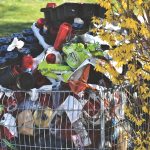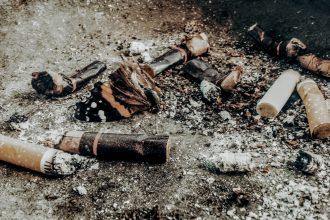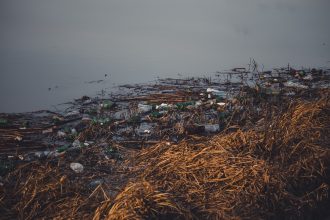
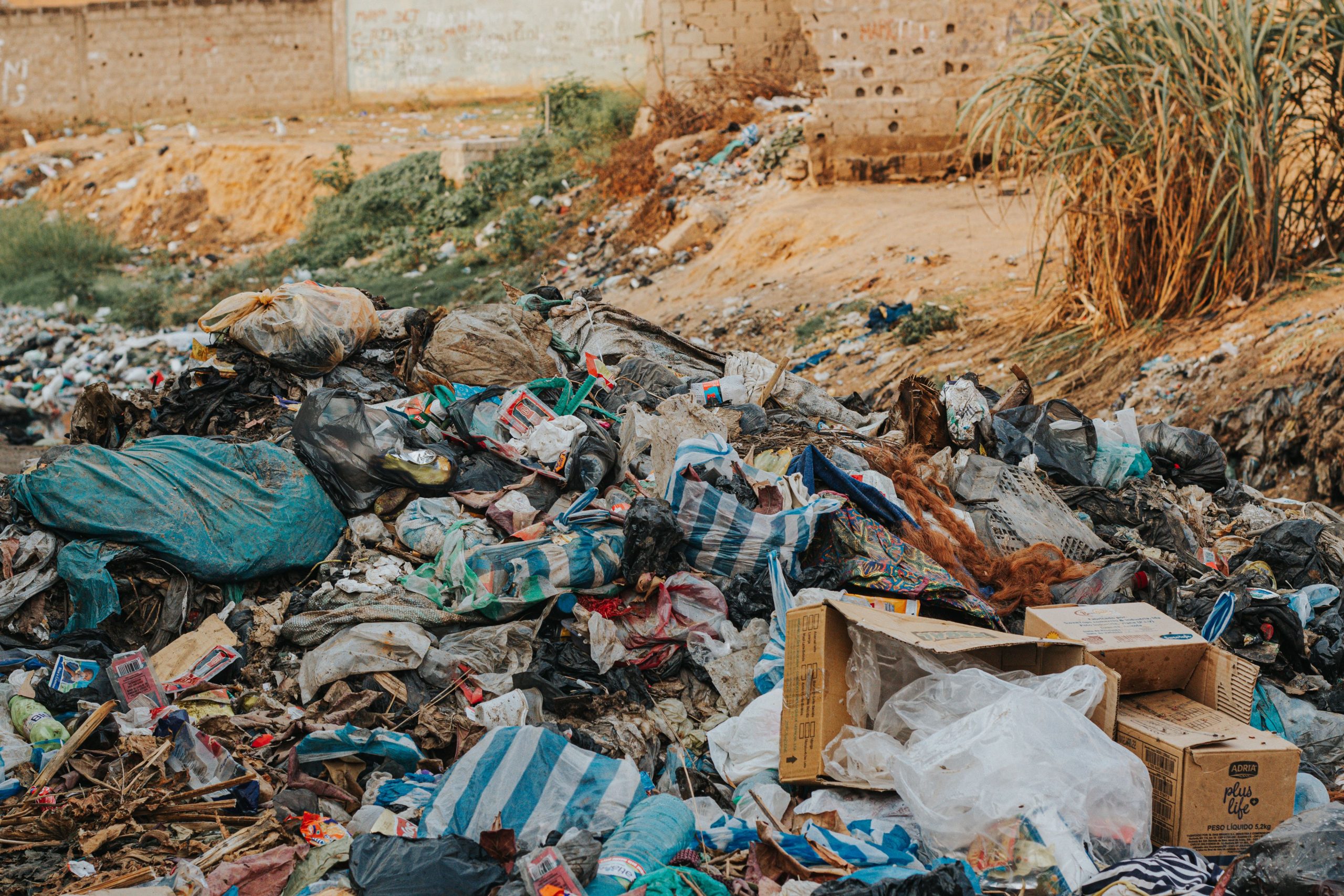
Illegal dumping is a serious environmental problem in South Africa. It happens when people dispose of waste in places without approval or proper waste management systems.
Illegal dumping happens in:
- Open fields.
- Roadsides.
- Rivers.
- Empty land.
- Wetlands.
- Public spaces.
Waste pollution affects communities, wildlife, water resources, and human health. Household waste, construction materials, plastic waste, and hazardous materials create environmental risks.
South Africa produces large amounts of waste every year. Poor disposal practices place pressure on municipalities and natural resources.
Proper waste management protects the environment and improves community health. Every person has a role in reducing illegal dumping.
What Is Illegal Dumping?
Illegal dumping refers to leaving waste in areas which are not approved for waste disposal.
Examples include:
- Throwing rubbish in streets.
- Leaving household waste in open areas.
- Dumping building materials on empty land.
- Disposing chemicals near water sources.
- Leaving old furniture in public spaces.
- Burning waste in unsafe areas.
Approved waste facilities help manage waste safely. Illegal dumping avoids these systems and creates health and environmental risks.
Causes Of Illegal Dumping In South Africa
Several factors contribute to illegal dumping across South African communities.
Poor Waste Collection Services
Some communities experience problems with waste collection services. Missed collections and limited facilities encourage unsafe waste disposal.
Common problems include:
- Missed waste collections.
- Limited collection schedules.
- Few waste disposal facilities.
- Increasing waste volumes.
Better waste services reduce illegal dumping.
Lack Of Awareness
Some people lack information about proper waste disposal.
Low awareness leads to:
- Incorrect waste disposal.
- Littering in public areas.
- Dumping near rivers and wetlands.
- Unsafe waste burning.
Environmental education helps communities understand responsible waste practices.
Population Growth And Urban Expansion
Growing communities produce more waste. Towns and cities experience increased pressure on waste management systems.
Urban growth creates:
- More household waste.
- More construction waste.
- Greater demand for landfill space.
- Pressure on municipal services.
Waste management systems need regular improvement to support growing communities.
Limited Recycling Opportunities
Recycling reduces waste going to landfill sites. Limited recycling services increase illegal dumping.
Common challenges include:
• Few recycling centres.
• Limited recycling information.
• Low community involvement.
• Poor access to recycling services.
More recycling facilities help communities manage waste.
Illegal Waste Disposal By Businesses
Some businesses dispose of waste illegally to avoid disposal costs.
Common business waste includes:
- Construction materials.
- Packaging waste.
- Industrial waste.
- Chemical containers.
Businesses must follow waste management laws and use approved disposal methods.
Common Types Of Illegal Waste Dumping
Illegal dumping involves different waste types. Each type creates environmental and health risks.
Household Waste
Household waste forms a large part of illegal dumps.
Examples include:
- Food waste.
- Plastic packaging.
- Old clothing.
- Furniture.
- Electronic items.
Household waste attracts pests and creates unhealthy conditions.
Construction Waste
Construction activities produce large amounts of waste.
Examples include:
- Bricks.
- Concrete.
- Wood.
- Metal.
- Building rubble.
Illegal construction waste disposal damages public areas and reduces land quality.
Plastic Waste
Plastic waste creates long term environmental problems.
Plastic pollution affects:
- Rivers.
- Oceans.
- Wildlife.
- Soil.
Animals often eat plastic waste, which causes injuries and deaths.
Hazardous Waste
Hazardous waste contains substances which require special handling.
Examples include:
- Chemicals.
- Batteries.
- Medical waste.
- Paint containers.
- Used oils.
Poor disposal creates risks for people, animals, and ecosystems.
Electronic Waste
Electronic waste includes old electrical items.
Examples include:
- Computers.
- Mobile phones.
- Televisions.
- Batteries.
- Appliances.
Electronic waste requires safe recycling methods because some materials are harmful.
Why Illegal Dumping Is A Serious Environmental Issue
Illegal dumping damages natural resources and affects communities.
Soil Pollution
Waste dumped on land releases harmful substances into soil.
Polluted soil affects:
- Plant growth.
- Farming activities.
- Soil organisms.
- Land quality.
Chemical waste creates greater risks for soil health.
Water Pollution
Illegal dumps near rivers, streams, and wetlands threaten water resources.
Rain carries pollutants from waste sites into water systems.
Water pollution affects:
- Drinking water sources.
- Aquatic animals.
- Fish populations.
- Wetland ecosystems.
Clean water supports people, animals, and plants.
Air Pollution
Illegal waste burning releases harmful smoke.
Burning plastic and other materials releases toxic substances into the air.
Air pollution affects:
- Human health.
- Wildlife.
- Local air quality.
- Natural ecosystems.
Safe waste disposal reduces air pollution risks.
Damage To Wildlife
Illegal dumping harms wild animals.
Waste creates risks through:
- Plastic ingestion.
- Injuries from sharp objects.
- Chemical poisoning.
- Habitat destruction.
Protecting natural areas reduces risks to wildlife.
Reduced Community Safety
Illegal dumps affect community health and safety.
They create:
- Bad smells.
- Pest problems.
- Fire risks.
- Unsafe public areas.
- Poor living conditions.
Clean communities support healthier environments.
Health Risks Linked To Illegal Dumping
Illegal dumping creates health risks for communities. Waste sites attract insects, rodents, and other pests. These pests spread diseases and affect people living near waste areas.
Health risks include:
- Breathing problems from waste burning.
- Injuries from sharp waste materials.
- Exposure to harmful chemicals.
- Disease spread through pests.
- Unsafe conditions for children and communities.
Reducing illegal dumping improves public health and safety.
Spread Of Diseases
Illegal dumps create conditions for disease carrying pests.
Common problems include:
- Flies spreading bacteria.
- Rats carrying diseases.
- Mosquitoes breeding near standing water.
- Contaminated areas affecting nearby residents.
Food waste and stagnant water attract pests. Proper waste disposal reduces these risks.
Risks From Waste Burning
Some communities burn waste to reduce rubbish. Waste burning releases harmful smoke into the air.
Burning waste releases:
- Toxic gases.
- Smoke particles.
- Harmful chemicals.
Burning plastic, rubber, and treated materials affects air quality.
People exposed to polluted air face higher risks of:
- Breathing difficulties.
- Eye irritation.
- Lung problems.
- Health complications.
Safe waste disposal prevents harmful smoke exposure.
Risks From Hazardous Waste
Hazardous waste creates health concerns when people handle waste without protection.
Examples include:
- Used chemicals.
- Medical waste.
- Batteries.
- Electronic waste.
- Industrial materials.
Hazardous waste exposure affects:
- Skin health.
- Water quality.
- Soil safety.
- Human health.
Communities should avoid unknown waste materials.
Impact On Water Resources
Illegal dumping threatens rivers, streams, dams, and groundwater sources.
Rainwater carries pollutants from waste sites into water systems.
Water pollution affects:
- Drinking water quality.
- Aquatic plants.
- Fish populations.
- Human activities.
- Wildlife habitats.
Protecting water resources requires proper waste disposal and community action.
Impact On Wildlife And Biodiversity
Illegal dumping damages natural habitats. Wildlife depends on clean water, safe shelter, and healthy food sources.
Waste affects animals through:
- Eating plastic materials.
- Getting trapped in waste.
- Exposure to chemicals.
- Habitat destruction.
Birds, insects, reptiles, and mammals face risks from polluted areas.
Healthy ecosystems need clean natural spaces.
Economic Effects Of Illegal Dumping
Illegal dumping creates financial costs for communities and municipalities.
Costs include:
- Cleaning illegal dump sites.
- Repairing damaged public areas.
- Managing health problems.
- Protecting water resources.
- Removing harmful waste.
Money spent on illegal dump removal reduces funds for other community services.
Impact On Tourism
South Africa attracts visitors through wildlife, natural areas, and outdoor activities.
Illegal dumping affects tourism by:
- Damaging natural attractions.
- Reducing the appearance of public spaces.
- Creating unhealthy conditions.
- Affecting visitor experiences.
Clean environments support tourism and local businesses.
Legal Consequences Of Illegal Dumping
South Africa has laws which control waste management and protect the environment.
Illegal dumping breaks waste management regulations.
Possible consequences include:
- Fines.
- Legal action.
- Cleanup orders.
- Penalties for responsible individuals or businesses.
Following waste laws protects communities and natural resources.
Role Of Municipalities In Waste Management
Municipalities manage waste collection and disposal services in many communities.
Their responsibilities include:
- Collecting household waste.
- Managing landfill sites.
- Supporting recycling programmes.
- Educating communities.
- Removing illegal waste sites.
Effective waste services reduce illegal dumping.
Challenges Faced By Municipalities
Municipalities face several waste management challenges.
These include:
- Limited budgets.
- Growing waste volumes.
- Illegal dumping in remote areas.
- Limited recycling facilities.
- Equipment shortages.
Better planning and community support help solve these challenges.
Community Solutions To Illegal Dumping
Communities play an important role in reducing illegal waste disposal.
You help reduce illegal dumping by:
- Using approved waste disposal sites.
- Reporting illegal dumping areas.
- Joining community clean up projects.
- Separating recyclable materials.
- Teaching others about waste management.
Community participation improves local environments.
Importance Of Recycling
Recycling reduces waste sent to illegal dumps and landfill sites.
Recycling benefits communities by:
- Reducing waste volumes.
- Saving natural resources.
- Supporting recycling jobs.
- Reducing pollution.
Common recyclable materials include:
Paper.
Plastic.
Glass.
Metal.
Electronic waste.
Recycling creates responsible waste management habits.
Waste Reduction Practices At Home
Your daily actions affect waste levels.
You reduce waste by:
- Buying products with less packaging.
- Reusing containers.
- Repairing items instead of throwing them away.
- Separating recyclable materials.
- Composting food waste.
Small household changes reduce pressure on waste systems.
How You Can Help Stop Illegal Dumping
Every person has a role in reducing illegal dumping. Responsible waste management protects communities, wildlife, and natural resources.
You help prevent illegal dumping by:
- Throwing waste in approved disposal areas.
- Separating recyclable materials.
- Reusing household items.
- Reporting illegal dumping activities.
- Joining community clean up projects.
- Teaching others about proper waste disposal.
Responsible actions improve waste management in communities.
Report Illegal Dumping
Reporting illegal dumping helps authorities respond to waste problems.
You should report:
- Illegal waste sites.
- Businesses dumping waste illegally.
- Waste near rivers and wetlands.
- Hazardous materials in public areas.
- Large waste piles in communities.
Reporting helps remove waste and prevents further environmental damage.
Support Community Clean Up Activities
Community clean ups remove waste from public spaces and improve local environments.
You support clean up activities by:
- Joining environmental groups.
- Taking part in school clean up programmes.
- Organising neighbourhood clean ups.
- Encouraging responsible waste habits.
Clean communities create safer areas for people and wildlife.
Promote Environmental Education
Environmental education helps people understand waste problems and their effects.
Schools, communities, and organisations should teach:
- Proper waste disposal.
- Recycling methods.
- Waste reduction practices.
- Environmental protection.
- Health risks linked to pollution.
Education encourages responsible waste decisions.
Support Recycling Businesses
Recycling businesses reduce waste entering illegal dumps.
You support recycling by:
- Selling recyclable materials.
- Using recycling collection services.
- Supporting recycling businesses.
- Separating waste at home.
Recycling reduces pollution and creates employment opportunities.
Improve Waste Management At Home
Your waste habits affect the environment.
You improve waste management by:
- Separating recyclable waste.
- Storing waste safely.
- Composting food scraps.
- Reducing unnecessary packaging.
- Reusing containers and materials.
Good waste habits reduce pressure on waste systems.
The Role Of Businesses In Preventing Illegal Dumping
Businesses produce different types of waste. Responsible waste management protects communities and natural resources.
Businesses should:
- Follow waste management laws.
- Use approved disposal facilities.
- Reduce packaging waste.
- Recycle suitable materials.
- Train workers about waste practices.
Responsible businesses reduce pollution risks.
The Role Of Schools In Waste Awareness
Schools help learners develop responsible environmental habits.
Schools support waste management by:
- Creating recycling programmes.
- Teaching learners about pollution.
- Organising clean up activities.
- Reducing single use plastics.
- Promoting environmental responsibility.
Young people help create cleaner communities.
Government Actions Against Illegal Dumping
Government departments and municipalities work to reduce illegal dumping.
Important actions include:
- Improving waste collection services.
- Building recycling facilities.
- Enforcing waste laws.
- Cleaning illegal dump sites.
- Supporting environmental education.
Effective waste management requires cooperation between authorities and communities.
Future Solutions For Illegal Dumping In South Africa
South Africa needs better waste management solutions to reduce illegal dumping.
Important solutions include:
- Improved waste collection systems.
- More recycling facilities.
- Stronger law enforcement.
- Community education programmes.
- Better landfill management.
- Public awareness campaigns.
Waste problems reduce when communities, businesses, and government work together.
Frequently Asked Questions
Why Is Illegal Dumping A Problem In South Africa?
Illegal dumping pollutes soil, water, and air. It creates health risks, damages wildlife habitats, and affects community safety.
What Are The Main Causes Of Illegal Dumping?
Common causes include poor waste collection services, limited recycling options, low awareness, population growth, and illegal disposal by some businesses.
How Does Illegal Dumping Affect Human Health?
Illegal dumping increases exposure to harmful chemicals, pests, polluted air, and unsafe waste materials.
How Does Illegal Dumping Affect Wildlife?
Waste harms wildlife through plastic ingestion, injuries, chemical exposure, and habitat destruction.
What Should You Do When You See Illegal Dumping?
Report illegal dumping to your local municipality or environmental authorities. Avoid touching unknown waste materials.
How Does Recycling Reduce Illegal Dumping?
Recycling reduces waste volumes and keeps useful materials away from illegal dump sites.
Conclusion
Illegal dumping creates environmental and health risks across South Africa. Waste pollution affects communities, wildlife, water resources, and ecosystems.
Reducing illegal dumping requires action from individuals, businesses, schools, municipalities, and government.
You help protect the environment by disposing of waste correctly, recycling, reducing waste, and reporting illegal dumping.
Cleaner communities support healthier lives and protect South Africa’s natural resources for future generations.