South Africa produces millions of tonnes of waste every year. Much of this waste ends up in landfills, illegal dumping sites, rivers, and open spaces. Poor waste management affects public health, pollutes the environment, and damages natural resources.
Recycling helps reduce these problems. Recycling keeps valuable materials in use instead of sending them to landfill sites. Paper, glass, plastic, metal, and cardboard all support new products after recycling.
Every community benefits from responsible waste management. Recycling reduces pollution, protects wildlife, saves natural resources, and supports employment. Your daily choices help reduce waste and protect South Africa’s environment.
What Is Recycling?
Recycling is the process of collecting used materials and turning them into new products. Instead of throwing waste away, recyclable materials enter a new production process.
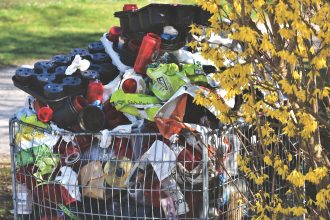
Many everyday items support recycling. These include plastic bottles, glass jars, paper, cardboard, steel cans, and aluminium cans.
Recycling reduces the amount of waste sent to landfill sites. It also reduces demand for raw materials taken from the environment.
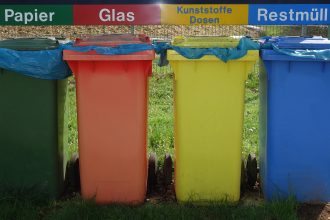
Many recycling programmes encourage people to separate waste before collection. Sorting recyclable materials improves recycling efficiency and reduces contamination.
Why Recycling Is Important in South Africa
South Africa faces growing waste management challenges. Population growth, urban development, and higher consumer demand increase the amount of waste produced each year.
Landfill sites have limited space. Illegal dumping continues to affect many communities. Rivers, wetlands, and public spaces often become polluted because waste is not disposed of responsibly.
Recycling reduces pressure on landfill sites and protects natural resources. It also supports cleaner neighbourhoods and healthier communities.
Recycling provides several important benefits.
Reduces Landfill Waste
Landfill sites receive large amounts of household and business waste every day.
Many recyclable materials occupy landfill space even though they still have value. Recycling reduces the amount of waste entering landfill sites and extends their working life.
Lower landfill volumes also reduce environmental pollution.
Conserves Natural Resources
Many products come from natural resources such as trees, sand, crude oil, and metal ores.
Recycling reduces demand for these raw materials. Paper recycling protects forests. Metal recycling reduces mining activity. Glass recycling reduces the need for new raw materials.
Responsible recycling helps protect South Africa’s natural resources for future generations.
Reduces Pollution
Waste pollutes land, rivers, wetlands, and oceans.
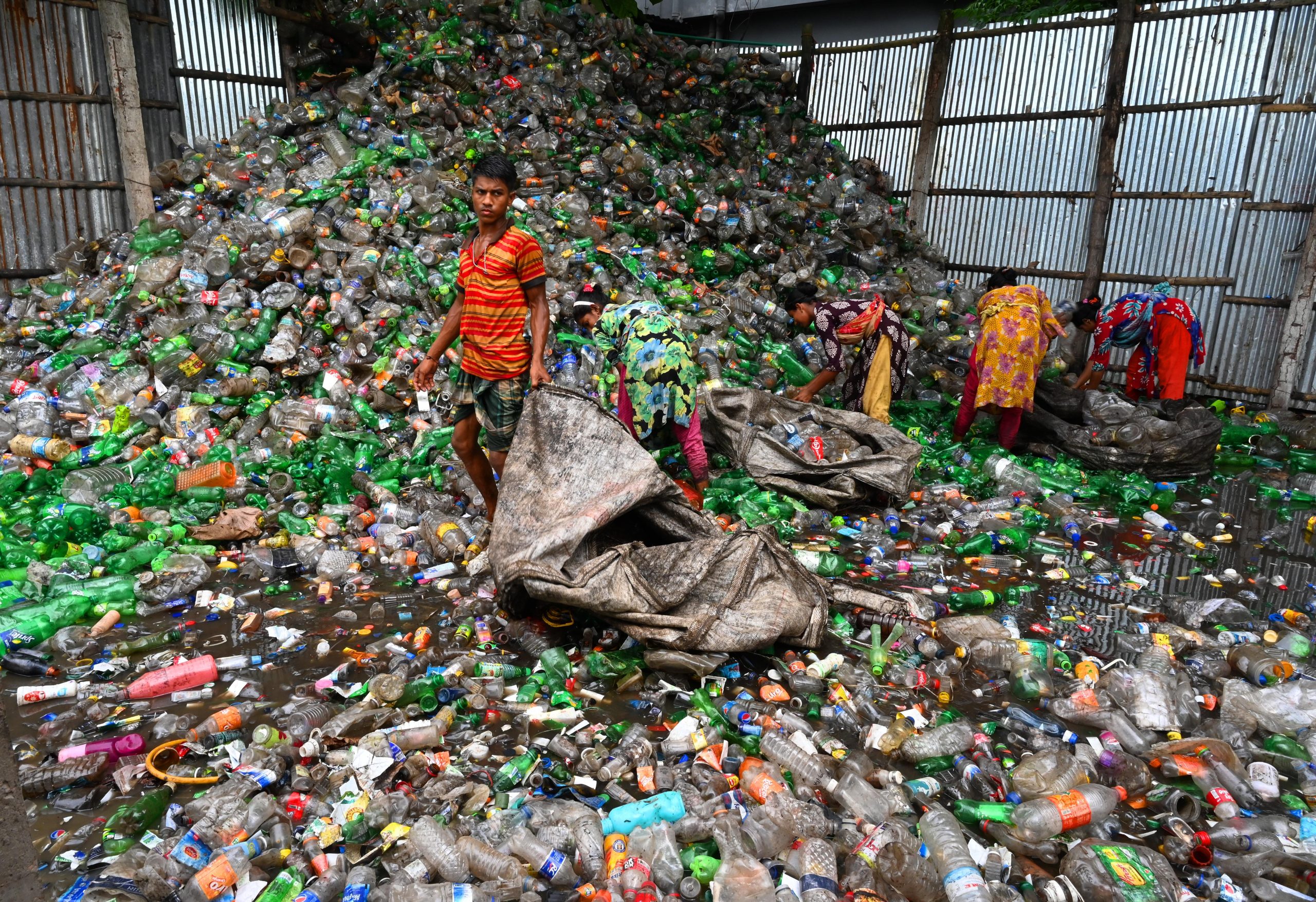
Plastic waste often blocks drainage systems and enters rivers. Glass and metal waste remain in the environment for many years.
Recycling reduces pollution by keeping valuable materials out of natural ecosystems.
Saves Energy
Manufacturing products from recycled materials often requires less energy than producing products from raw materials.
For example, producing aluminium from recycled material uses far less energy than producing aluminium from newly mined ore.
Lower energy use also reduces greenhouse gas emissions.
Supports Employment
The recycling sector creates employment across South Africa.
People work in waste collection, sorting facilities, recycling plants, transport services, and manufacturing industries.
Community recycling projects also create income opportunities for many households.
Types of Recyclable Waste
Many household and business materials support recycling.
Paper and Cardboard
Paper products include newspapers, office paper, magazines, books, cardboard boxes, and packaging materials.
Recycling paper reduces the number of trees needed for paper production and lowers landfill waste.
Paper should remain clean and dry before recycling.
Plastic
Plastic products form a large share of household waste.
Common recyclable plastic items include:
- Water bottles
- Soft drink bottles
- Milk containers
- Food packaging
- Shampoo bottles
- Detergent containers
Sorting plastic correctly improves recycling efficiency.
Glass
Glass is one of the easiest materials to recycle.
Common recyclable glass items include bottles and food jars.
Glass recycling reduces demand for new raw materials and saves energy during manufacturing.
Metal
Many metal products support recycling without losing quality.
Common recyclable metals include:
- Aluminium cans
- Steel food tins
- Beverage cans
- Metal lids
- Scrap metal
Recycling metal reduces mining activity and saves energy.
Electronic Waste
Electronic waste includes discarded electrical and electronic equipment.
Examples include:
- Mobile phones
- Computers
- Televisions
- Printers
- Batteries
- Small household appliances
Electronic waste contains valuable materials. Proper recycling also prevents harmful substances from entering the environment.
Main Recycling Challenges
South Africa continues to face several recycling challenges.
Illegal Dumping
Illegal dumping affects many communities.
Waste dumped along roads, rivers, and open land pollutes the environment and creates health risks.
Community awareness and stronger law enforcement help reduce illegal dumping.
Poor Waste Separation
Many households mix recyclable waste with general waste.
Mixed waste reduces recycling rates because contaminated materials become difficult to process.
Separating recyclable materials at home improves recycling success.
Limited Recycling Facilities
Some communities have limited access to recycling centres and collection services.
Long travel distances reduce recycling participation in some areas.
Investment in recycling infrastructure improves access and supports higher recycling rates.
Low Public Awareness
Many people do not know which materials support recycling or how recycling benefits the environment.
Environmental education improves public understanding and encourages responsible waste management.
Schools, municipalities, businesses, and community organisations all help promote recycling across South Africa.
Environmental Benefits of Recycling
Recycling protects natural resources and reduces environmental damage. Every item recycled reduces the amount of waste entering landfill sites and natural ecosystems.
Reduces Land Pollution
Large amounts of waste end up in landfill sites and illegal dumping areas every year.
Plastic, glass, metal, and other materials remain in the environment for many years. This waste pollutes land and damages natural habitats.
Recycling reduces the amount of waste left in open spaces and landfill sites.
Protects Wildlife
Wild animals often mistake waste for food. Plastic bags, bottles, fishing line, and other rubbish injure or kill many animals.
Polluted rivers and wetlands also affect fish, birds, and other aquatic species.
Recycling reduces waste in natural habitats and helps protect South Africa’s wildlife.
Conserves Natural Resources
Manufacturing depends on natural resources such as trees, sand, crude oil, and metal ores.
Recycling reduces demand for new raw materials. Paper recycling protects forests. Glass recycling reduces sand extraction. Metal recycling reduces mining activity.
Responsible recycling protects natural resources for future generations.
Reduces Greenhouse Gas Emissions
Manufacturing products from recycled materials often requires less energy than producing products from new raw materials.
Lower energy use reduces greenhouse gas emissions released into the atmosphere.
Reducing emissions supports cleaner air and environmental protection.
Economic Benefits of Recycling
Recycling supports economic growth across many sectors.
Businesses collect, transport, sort, and process recyclable materials every day. Manufacturing industries also depend on recycled materials during production.
Recycling creates several economic benefits.
- Creates employment opportunities.
- Reduces waste management costs.
- Supports recycling businesses.
- Supplies raw materials for manufacturers.
- Extends the lifespan of landfill sites.
- Supports local economic development.
Investment in recycling creates employment while protecting the environment.
Government Efforts
South Africa has introduced environmental laws and waste management programmes to improve recycling and reduce pollution.
National, provincial, and local government departments work with businesses and communities to improve waste management.
Government priorities include:
- Promoting recycling programmes.
- Improving waste collection services.
- Reducing illegal dumping.
- Supporting recycling industries.
- Protecting natural resources.
- Raising environmental awareness.
Strong environmental management improves recycling rates and protects public health.
How Recycling Works
Recycling follows several simple steps before waste becomes a new product.
Collection
Households, schools, businesses, and recycling centres collect recyclable materials.
Many municipalities provide recycling collection services in residential areas.
Sorting
Workers separate recyclable materials into different groups such as paper, plastic, glass, and metal.
Proper sorting improves recycling efficiency and reduces contamination.
Processing
Recycling facilities clean and process collected materials.
Paper becomes paper products. Plastic becomes pellets for manufacturing. Glass becomes raw material for new bottles and jars. Metal becomes new metal products.
Manufacturing
Manufacturers use recycled materials to produce new products.
This process reduces demand for raw materials and lowers energy use.
Practical Ways to Recycle
Every person helps reduce waste through simple daily actions.
Separate Waste at Home
Keep recyclable materials separate from general household waste.
Separate containers improve recycling and reduce contamination.
Buy Recyclable Products
Choose products with recyclable packaging whenever possible.
Many companies now produce packaging that supports recycling.
Reuse Items
Many household items serve more than one purpose before disposal.
Glass jars, shopping bags, storage containers, and cardboard boxes all support reuse.
Reusing products reduces waste and lowers demand for new materials.
Support Local Recycling Programmes
Many schools, businesses, and municipalities operate recycling programmes.
Taking recyclable materials to local collection points supports responsible waste management.
Reduce Single Use Plastics
Single use plastics create large amounts of waste.
You reduce plastic waste by carrying reusable shopping bags, refillable water bottles, and reusable food containers.
Small daily choices reduce pollution and support cleaner communities.
What You Can Do
Your daily actions help reduce waste and protect the environment. Small changes at home, school, and work improve recycling rates across South Africa.
You help support recycling by:
- Separate paper, plastic, glass, and metal before disposal.
- Use reusable shopping bags.
- Carry a reusable water bottle.
- Recycle electronic waste at approved collection points.
- Buy products made from recycled materials.
- Avoid littering.
- Report illegal dumping.
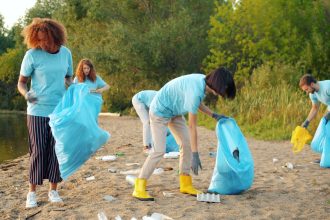
- Join community clean-up campaigns.
- Teach children about recycling.
- Support local recycling businesses.
Every item you recycle reduces waste and protects natural resources.
Careers in Recycling and Waste Management
The recycling industry creates employment across South Africa. Many professionals work to improve waste management, protect the environment, and increase recycling rates.
Career opportunities include:
- Environmental Scientist
- Waste Management Officer
- Environmental Compliance Officer
- Recycling Plant Operator
- Waste Collection Supervisor
- Environmental Health Practitioner
- Recycling Coordinator
- Environmental Consultant
- Sustainability Officer
- Waste Minimisation Officer
These professionals work for municipalities, recycling companies, manufacturing industries, consulting firms, research institutions, and government departments.
Most employers require qualifications in environmental science, environmental management, waste management, engineering, or related fields. Strong communication, planning, and problem-solving skills improve employment opportunities.
South Africa continues to invest in recycling programmes and waste management infrastructure. These projects increase demand for qualified environmental professionals.
The Future of Recycling in South Africa
South Africa produces more waste each year because the population continues to grow and more products enter the market.
Better waste collection services improve recycling rates. New recycling facilities reduce the amount of waste sent to landfill sites. Environmental education encourages responsible waste management. Strong environmental laws support cleaner communities.
Government, businesses, schools, and households all share responsibility for improving recycling.
Responsible waste management protects natural resources, supports economic growth, and creates healthier communities.
Conclusion
Recycling plays an important role in protecting South Africa’s environment. Responsible recycling reduces landfill waste, protects natural resources, lowers pollution, and supports wildlife.
Recycling also supports employment, reduces waste management costs, and supplies valuable materials for manufacturing industries.
You make a difference through simple daily actions. Separate recyclable materials, reduce waste, reuse products, and support local recycling programmes.
Every bottle, can, box, and sheet of paper recycled helps protect South Africa’s environment for future generations