Understanding South Africa’s Water Challenges
Water is essential for human health, agriculture, industries, and natural ecosystems. South Africa depends on rivers, dams, wetlands, and groundwater for daily needs.
South Africa is a water-scarce country. The country receives lower rainfall compared to many parts of the world. Rainfall patterns differ across provinces, causing some areas to experience frequent water shortages.
Water scarcity occurs when available water resources fail to meet the needs of communities, businesses, agriculture, and the environment.
Several factors contribute to water scarcity in South Africa. These include low rainfall, droughts, climate change, population growth, urban development, pollution, and poor water management.
Understanding these causes helps you make responsible water choices and support water conservation.
What Is Water Scarcity?
Water scarcity occurs when there is limited access to enough clean water for daily activities and environmental needs.
Water scarcity affects:
● Households.
● Farmers.
● Businesses.
● Wildlife.
● Natural ecosystems.
Water scarcity does not only happen when rainfall levels are low. Water resources also become limited when pollution, waste, and poor infrastructure reduce available supplies.
South Africa experiences challenges linked to both limited water availability and water management problems.
Why South Africa Faces Water Scarcity
South Africa faces water shortages due to environmental and human activities.
Major causes include:
● Low rainfall.
● Drought conditions.
● Climate change.
● Population growth.
● Urbanisation.
● Agricultural water demand.
● Water pollution.
● Poor infrastructure.
These factors place pressure on water supplies across the country.
Low Rainfall and Dry Climate
South Africa has a dry climate with uneven rainfall distribution.
The country receives less rainfall than the global average. Some regions receive regular rainfall, while others experience long dry periods.
Areas such as the Northern Cape, Western Cape, and parts of the Eastern Cape often experience water shortages due to limited rainfall.
Low rainfall affects:
● Dam levels.
● River flow.
● Groundwater supplies.
● Farming activities.
● Community water access.
Limited rainfall requires careful management of available water resources.
Droughts and Climate Change
Droughts are a major cause of water scarcity in South Africa.
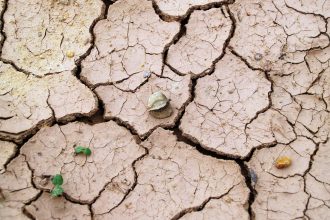
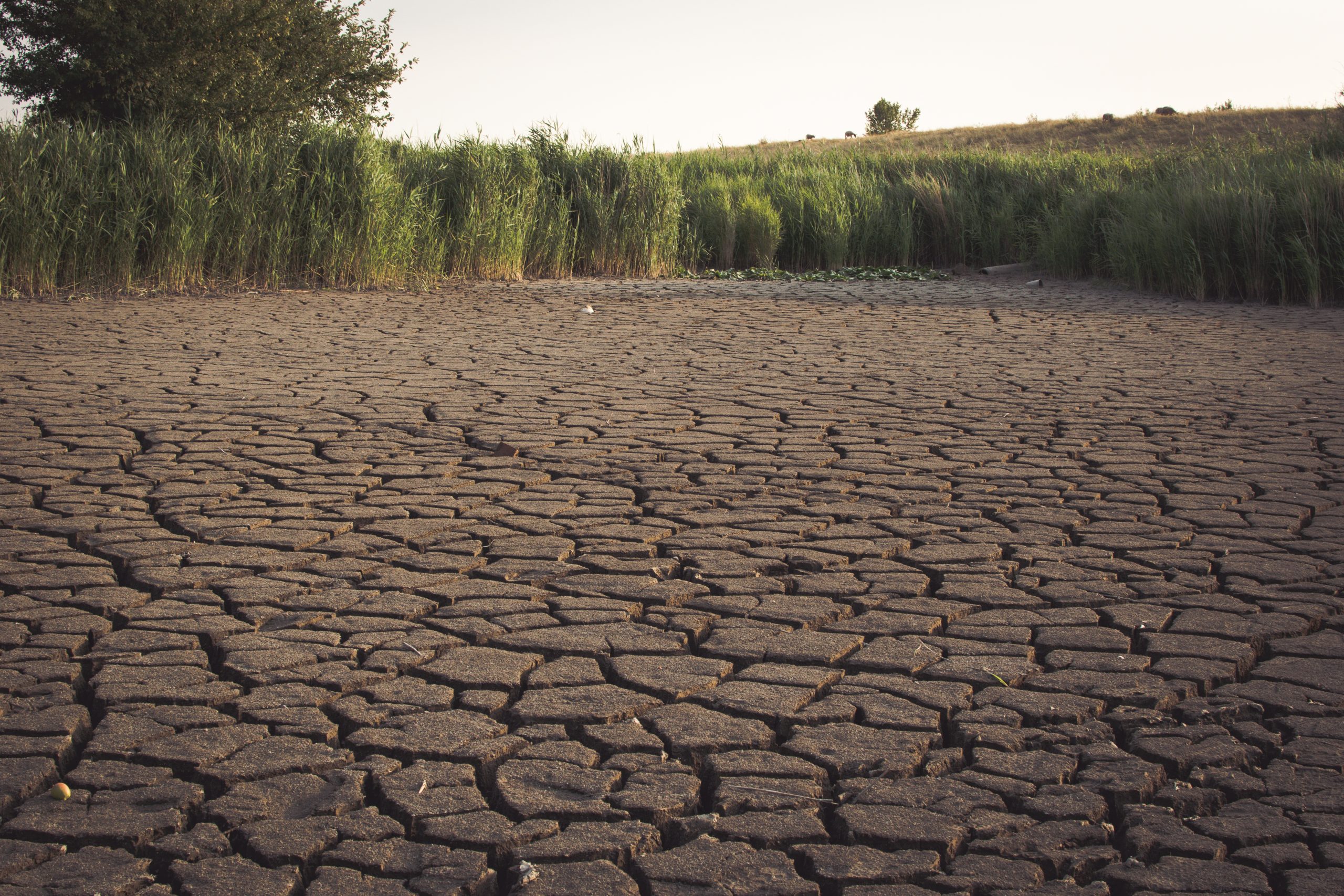
A drought occurs when an area receives less rainfall than normal over an extended period.
Drought conditions reduce water availability and affect communities, farmers, and ecosystems.
Drought impacts include:
● Lower dam levels.
● Reduced crop production.
● Water restrictions.
● Livestock losses.
● Increased pressure on water supplies.
Climate change affects rainfall patterns and weather conditions.
Higher temperatures increase evaporation from dams, rivers, and soil. This reduces available water for people and ecosystems.
Changing weather patterns create additional challenges for water management.
Population Growth and Increased Water Demand
South Africa’s growing population increases pressure on water resources.
More people require water for:
● Drinking.
● Cooking.
● Cleaning.
● Sanitation.
● Farming.
● Industry.
Cities experience increased demand as populations grow.
Major urban areas such as Johannesburg, Cape Town, Durban, and Pretoria need reliable water supplies for millions of residents.
Higher demand requires better water conservation and responsible water use.
Urbanisation and Water Pressure
Urbanisation increases the number of people living in towns and cities.
Growing urban areas require more water infrastructure.
Important systems include:
● Water treatment plants.
● Pipelines.
● Storage facilities.
● Sewage systems.
Rapid urban growth creates pressure when infrastructure does not meet demand.
Urban water challenges include:
● Water leaks.
● Damaged pipes.
● Sewage problems.
● Increased water demand.
Better planning helps cities manage water resources effectively.
Agriculture and High Water Demand
Agriculture uses a significant amount of South Africa’s water resources.
Farmers need water for:
● Irrigation.
● Livestock.
● Crop production.
● Food processing.
Irrigation supports food production, especially in dry regions. High water demand from farming places pressure on rivers and dams.
Water shortages affect farmers through:
● Reduced crop production.
● Increased costs.
● Livestock challenges.
● Loss of income.
Farmers reduce water pressure through efficient irrigation systems, improved soil management, and responsible water use.
Water Pollution and Water Scarcity
Water pollution reduces the amount of clean water available for communities and ecosystems.
Polluted water requires treatment before use. Severe pollution affects rivers, dams, wetlands, and groundwater.
Major sources of water pollution include:
● Sewage.
● Mining waste.
● Industrial chemicals.
● Agricultural chemicals.
● Plastic waste.
Pollution increases pressure on already limited water resources.
Protecting water quality helps increase available clean water supplies.
Poor Water Infrastructure
Aging and damaged infrastructure contributes to water scarcity.
Water systems require regular maintenance to operate effectively.
Problems include:
● Leaking pipes.
● Broken sewage systems.
● Poor maintenance.
● Water losses.
Water lost through leaks reduces available supplies for communities.
Improving infrastructure helps reduce waste and improve water security.
Mining and Industrial Activities
Mining and industries contribute to water demand and pollution.
Mining activities require water for processing minerals. Industrial activities also use water for production.
Poor waste management affects water quality through:
● Chemical pollution.
● Acid mine drainage.
● Industrial waste.
Responsible management of mining and industrial activities protects water resources.
Water Management Challenges
Effective water management is important for reducing water scarcity.
South Africa faces challenges such as:
● High water demand.
● Pollution control problems.
● Infrastructure maintenance issues.
● Unequal access to water services.
Good water management requires cooperation between government, businesses, communities, and individuals.
Saving water and preventing pollution help protect South Africa’s limited water resources.
Solutions to Reduce Water Scarcity in South Africa
Water scarcity requires action from individuals, communities, businesses, and government institutions. Protecting water resources requires better management, reduced waste, and responsible water use.
South Africa’s water future depends on how people protect rivers, dams, wetlands, and groundwater sources.
Improving Water Conservation
Water conservation reduces pressure on limited water supplies.
You help conserve water through simple daily actions.
Ways to save water include:
● Fixing leaking taps and pipes.
● Taking shorter showers.
● Turning off taps when not in use.
● Using water carefully when cleaning.
● Collecting rainwater for gardens.
● Reusing suitable household water.
Small actions from many people reduce water waste.
Improving Water Infrastructure
Strong water infrastructure helps communities access reliable water supplies.
South Africa needs regular maintenance of:
● Water pipelines.
● Storage facilities.
● Treatment plants.
● Sewage systems.
Old and damaged infrastructure causes water losses.
Fixing leaks and improving maintenance reduces wasted water.
Better infrastructure supports households, businesses, agriculture, and industries.
Reducing Water Pollution
Clean water supplies depend on preventing pollution.
Polluted water reduces available water resources and increases treatment costs.
Water pollution prevention includes:
● Proper waste disposal.
● Treating industrial wastewater.
● Improving sewage systems.
● Reducing plastic waste.
● Protecting rivers and wetlands.
Cleaner water sources improve water availability for communities and ecosystems.
Sustainable Agricultural Practices
Agriculture uses a large amount of South Africa’s water resources.
Farmers reduce water pressure through better practices.
These practices include:
● Efficient irrigation systems.
● Rainwater storage.
● Soil conservation.
● Careful fertilizer use.
● Managing livestock waste.
Modern irrigation methods help farmers use less water while maintaining food production.
Protecting Wetlands and Rivers
Wetlands and rivers support water security.
Wetlands help by:
● Filtering water.
● Supporting wildlife.
● Reducing flooding.
● Storing water.
Protecting wetlands prevents damage to natural water systems.
Communities help protect rivers by:
● Removing litter.
● Reporting pollution.
● Preventing illegal dumping.
● Supporting conservation projects.
Healthy rivers and wetlands improve water availability.
Government Responsibilities
Government institutions play an important role in managing water resources.
Key responsibilities include:
● Maintaining water infrastructure.
● Monitoring water quality.
● Enforcing environmental laws.
● Supporting water conservation programmes.
● Improving access to clean water.
Effective water management requires cooperation between national government, municipalities, businesses, and communities.
Community Actions
Communities help protect water resources through local action.
Community activities include:
● River clean-up programmes.
● Recycling projects.
● Water awareness campaigns.
● Reporting pollution problems.
● Protecting local water sources.
Community involvement helps reduce pollution and water waste.
The Role of Businesses
Businesses use water for production and daily operations.
Companies reduce water pressure through:
● Water recycling.
● Efficient production methods.
● Pollution prevention.
● Responsible waste management.
● Regular water monitoring.
Industries that manage water responsibly help protect national water supplies.
The Future of Water Security in South Africa
South Africa needs long term solutions to address water scarcity.
Future water security depends on:
● Better infrastructure.
● Responsible water use.
● Pollution prevention.
● Climate adaptation.
● Public awareness.
● Sustainable farming.
Every sector of society has a role in protecting water resources.
Water security requires planning, investment, and responsible actions.
Solutions to Reduce Water Scarcity in South Africa
Water scarcity affects communities, agriculture, businesses, and natural ecosystems. South Africa needs effective solutions to protect available water resources and reduce pressure on rivers, dams, wetlands, and groundwater.
Reducing water scarcity requires responsible water use, improved infrastructure, pollution prevention, and cooperation between different sectors of society.
Improve Water Conservation
Water conservation reduces unnecessary water use and protects limited supplies.
You help conserve water through daily actions such as:
● Fixing leaking taps and pipes.
● Taking shorter showers.
● Turning off taps when not needed.
● Using water carefully during cleaning.
● Collecting rainwater.
● Reusing suitable household water.
Saving water at home reduces pressure on municipal water systems.
Upgrade Water Infrastructure
Poor infrastructure contributes to water losses across South Africa.
Aging pipelines, damaged systems, and leaks reduce available water supplies.
Improving infrastructure requires:
● Repairing leaking pipes.
● Maintaining water treatment plants.
● Upgrading sewage systems.
● Monitoring water distribution networks.
● Reducing illegal water connections.
Better infrastructure helps communities receive reliable water supplies.
Reduce Water Pollution
Pollution reduces the amount of clean water available for human use and ecosystems.
Preventing pollution helps protect rivers, dams, wetlands, and groundwater.
Actions include:
● Proper waste disposal.
● Treating industrial wastewater.
● Managing agricultural chemicals.
● Reducing plastic waste.
● Preventing sewage leaks.
Clean water sources reduce pressure on water treatment systems.
Promote Sustainable Agriculture
Agriculture uses a large amount of South Africa’s water resources.
Farmers reduce water demand through better farming methods.
Sustainable practices include:
● Using efficient irrigation systems.
● Collecting rainwater.
● Protecting soil moisture.
● Reducing water waste.
● Managing livestock waste.
Efficient farming protects water supplies while supporting food production.
Protect Rivers and Wetlands
Rivers and wetlands support water security.
They provide important environmental services such as:
● Storing water.
● Supporting wildlife.
● Improving water quality.
● Reducing flooding.
Protecting these areas requires:
● Preventing illegal dumping.
● Removing litter.
● Restoring damaged wetlands.
● Reducing pollution.
Healthy rivers and wetlands support communities and biodiversity.
Increase Rainwater Harvesting
Rainwater harvesting helps collect and store water during rainfall periods.
Homes, schools, farms, and businesses use rainwater systems for different purposes.
Benefits include:
● Reduced demand on municipal water supplies.
● Additional water storage.
● Reduced pressure during dry periods.
● Better water management.
Rainwater harvesting supports communities during water shortages.
Encourage Water Recycling
Water recycling reduces pressure on freshwater sources.
Recycled water supports activities such as:
● Industrial processes.
● Irrigation.
● Cleaning.
● Landscaping.
Businesses and municipalities improve water efficiency through recycling systems.
Responsible water reuse helps protect freshwater resources.
Improve Water Education
Education helps people understand the importance of water protection.
Environmental education programmes teach communities about:
● Water conservation.
● Pollution prevention.
● Responsible water use.
● Protection of natural resources.
Schools play an important role in teaching learners about water challenges and conservation.
Knowledge encourages responsible decisions.
Strengthen Government Water Management
Government institutions manage important water resources across South Africa.
Effective water management requires:
● Regular water quality monitoring.
● Strong environmental law enforcement.
● Infrastructure investment.
● Better planning.
● Support for conservation programmes.
Government cooperation with communities and businesses improves water security.
Support Community Participation
Communities help protect water resources through local action.
Community activities include:
● River clean-up programmes.
● Reporting pollution.
● Recycling projects.
● Water awareness campaigns.
● Protecting local water sources.
Community involvement improves environmental protection.
Use Technology for Water Management
Technology improves water monitoring and reduces water waste.
Examples include:
● Smart water meters.
● Leak detection systems.
● Efficient irrigation technology.
● Water treatment systems.
Technology helps farmers, businesses, and municipalities manage water resources better.
Protect Groundwater Sources
Groundwater supports many communities, farms, and industries.
Groundwater protection requires:
● Preventing chemical pollution.
● Monitoring groundwater quality.
● Managing water extraction.
● Protecting recharge areas.
Groundwater supplies need careful management because pollution and overuse reduce availability.
The Role of Businesses in Water Conservation
Businesses use water for production and daily operations.
Companies reduce water pressure through:
● Water recycling.
● Efficient production methods.
● Pollution prevention.
● Responsible waste management.
● Regular water monitoring.
Responsible business practices protect water resources and support economic activities.
Your Role in Reducing Water Scarcity
You help protect water resources through responsible actions.
Your actions include:
● Saving water at home.
● Reducing waste.
● Keeping rivers clean.
● Reporting pollution.
● Supporting conservation projects.
Every person contributes to protecting South Africa’s water resources.
Building a Water Secure South Africa
South Africa needs long term planning to address water scarcity.
Future water security depends on:
● Better infrastructure.
● Responsible water use.
● Pollution control.
● Sustainable farming.
● Community awareness.
● Environmental protection.
Protecting water resources requires action from everyone. Clean water supports people, agriculture, industries, and ecosystems.
A responsible approach to water management helps South Africa protect its limited water supplies.
Water Scarcity in South Africa, Why Water Conservation Matters
Protecting South Africa’s Limited Water Resources
Water is a valuable resource in South Africa. Communities, farms, industries, and natural ecosystems depend on reliable water supplies.
South Africa faces increasing pressure on water resources due to low rainfall, droughts, pollution, population growth, and high demand.
Water conservation helps protect available supplies and reduces pressure on rivers, dams, wetlands, and groundwater.
Every person has a role in using water responsibly.
Why Water Conservation Is Important
Water conservation reduces unnecessary water use and protects resources for future needs.
Conserving water helps:
● Support communities.
● Protect agriculture.
● Maintain healthy ecosystems.
● Reduce pressure on water systems.
● Improve water security.
South Africa has limited water resources. Responsible water use helps communities manage these challenges.
The Importance of Saving Water at Home
Households use water every day for drinking, cooking, cleaning, and sanitation.
Small changes at home reduce water waste.
You save water by:
● Fixing leaking taps.
● Closing taps when brushing teeth.
● Taking shorter showers.
● Using water carefully during cleaning.
● Reusing suitable water for gardens.
Household water conservation reduces demand on municipal water supplies.
Water Conservation and Agriculture
Agriculture depends on water for crop production and livestock.
Farmers use large amounts of water for irrigation.
Water conservation in agriculture includes:
● Efficient irrigation systems.
● Rainwater collection.
● Soil moisture protection.
● Reduced water waste.
● Responsible chemical management.
Efficient farming methods help protect water supplies while supporting food production.
Water Conservation and Industry
Industries require water for production, processing, and operations.
Businesses reduce water use through:
● Water recycling.
● Efficient equipment.
● Leak prevention.
● Wastewater treatment.
● Regular water monitoring.
Responsible water management helps industries reduce pressure on national water resources.
Protecting Rivers and Dams
Rivers and dams supply water to communities, farms, and businesses.
Pollution and poor management reduce water quality and availability.
You help protect rivers and dams by:
● Avoiding littering.
● Reporting pollution.
● Reducing plastic waste.
● Supporting clean-up activities.
● Protecting natural areas.
Healthy rivers and dams support people and wildlife.
The Role of Wetlands in Water Conservation
Wetlands support water security by storing and filtering water.
They provide important benefits such as:
● Improving water quality.
● Supporting biodiversity.
● Reducing flooding.
● Maintaining water flow.
Wetland protection helps maintain healthy water systems.
The Impact of Climate Change on Water Resources
Climate change affects water availability in South Africa.
Changes in weather patterns affect:
● Rainfall levels.
● Drought frequency.
● Temperature.
● Water evaporation.
Higher temperatures increase water loss from dams, rivers, and soil.
Water conservation helps communities prepare for changing climate conditions.
Reducing Water Pollution
Pollution reduces the amount of clean water available for use.
Water pollution sources include:
● Sewage.
● Industrial waste.
● Mining activities.
● Agricultural chemicals.
● Plastic waste.
Preventing pollution protects water resources.
You help reduce pollution by:
● Disposing of waste correctly.
● Recycling materials.
● Keeping chemicals away from drains.
● Protecting rivers and wetlands.
Government Actions for Water Conservation
Government institutions manage important water resources across South Africa.
Water conservation programmes focus on:
● Improving infrastructure.
● Monitoring water quality.
● Reducing water losses.
● Protecting water sources.
● Supporting public awareness.
Strong water management improves water security.
Community Actions for Water Conservation
Communities help protect water resources through local activities.
Examples include:
● River clean-ups.
● Recycling projects.
● Water awareness campaigns.
● Reporting leaks.
● Protecting local water sources.
Community participation supports environmental protection.
The Future of Water Conservation in South Africa
South Africa needs continued action to protect water resources.
Future water security depends on:
● Responsible water use.
● Better infrastructure.
● Pollution prevention.
● Sustainable farming.
● Public education.
● Protection of natural water sources.
Water conservation supports communities, agriculture, industries, and ecosystems.
Protecting water resources today helps secure reliable water supplies for future generations.