Learn why protecting endangered species in South Africa matters. Explore the biggest threats to wildlife, the value of biodiversity, and practical steps you take to protect nature.
Protecting Endangered Species in South Africa
South Africa holds one of the richest collections of plants and animals on Earth. National parks, wetlands, forests, rivers, grasslands, deserts, and coastlines support thousands of species. Many exist only within southern Africa.
Many species face a high risk of extinction. Habitat loss, illegal wildlife trade, pollution, climate change, and human activity continue to reduce wildlife populations. Every loss weakens ecosystems and affects people, communities, and the economy.
Protecting endangered species protects food production, clean water, healthy soil, and tourism. Wildlife conservation also supports jobs and local businesses across South Africa.
Every person plays a role. Your daily choices support conservation and help protect wildlife for future generations.
What Is an Endangered Species?
An endangered species faces a high risk of extinction. Extinction means a species disappears forever.
Scientists classify species according to their risk level. These categories include:
- Vulnerable
- Endangered
- Critically Endangered
- Extinct in the Wild
- Extinct
Species become endangered after their populations decline over many years. Habitat destruction, pollution, disease, climate change, and illegal hunting often drive these declines.
South Africa protects hundreds of threatened plant and animal species through national laws and conservation programmes.
Why South Africa’s Wildlife Matters
South Africa ranks among the world’s leading countries for biodiversity. Wildlife supports healthy ecosystems and provides benefits for people every day.
Healthy Ecosystems
Every species performs an important function.
Examples include:
- Bees pollinate crops and wild plants.
- Vultures remove animal carcasses.
- Predators control herbivore populations.
- Native plants reduce soil erosion.
- Wetlands filter water.
A decline in one species affects many others.
Wildlife Supports Tourism
Nature tourism forms an important part of South Africa’s economy.
Millions of visitors travel across the country to experience wildlife in national parks and private reserves.
Tourism creates employment for:
- Tour guides
- Rangers
- Hotel staff
- Restaurant workers
- Local craft sellers
- Drivers
Healthy wildlife populations support local income and rural development.
Nature Supports Everyday Life
Healthy ecosystems provide services people depend on every day.
These include:
- Clean water
- Healthy soil
- Pollination of crops
- Flood control
- Carbon storage
- Climate regulation
Protecting biodiversity protects these natural systems.
Endangered Species in South Africa
Many South African species need urgent protection.
Black Rhino
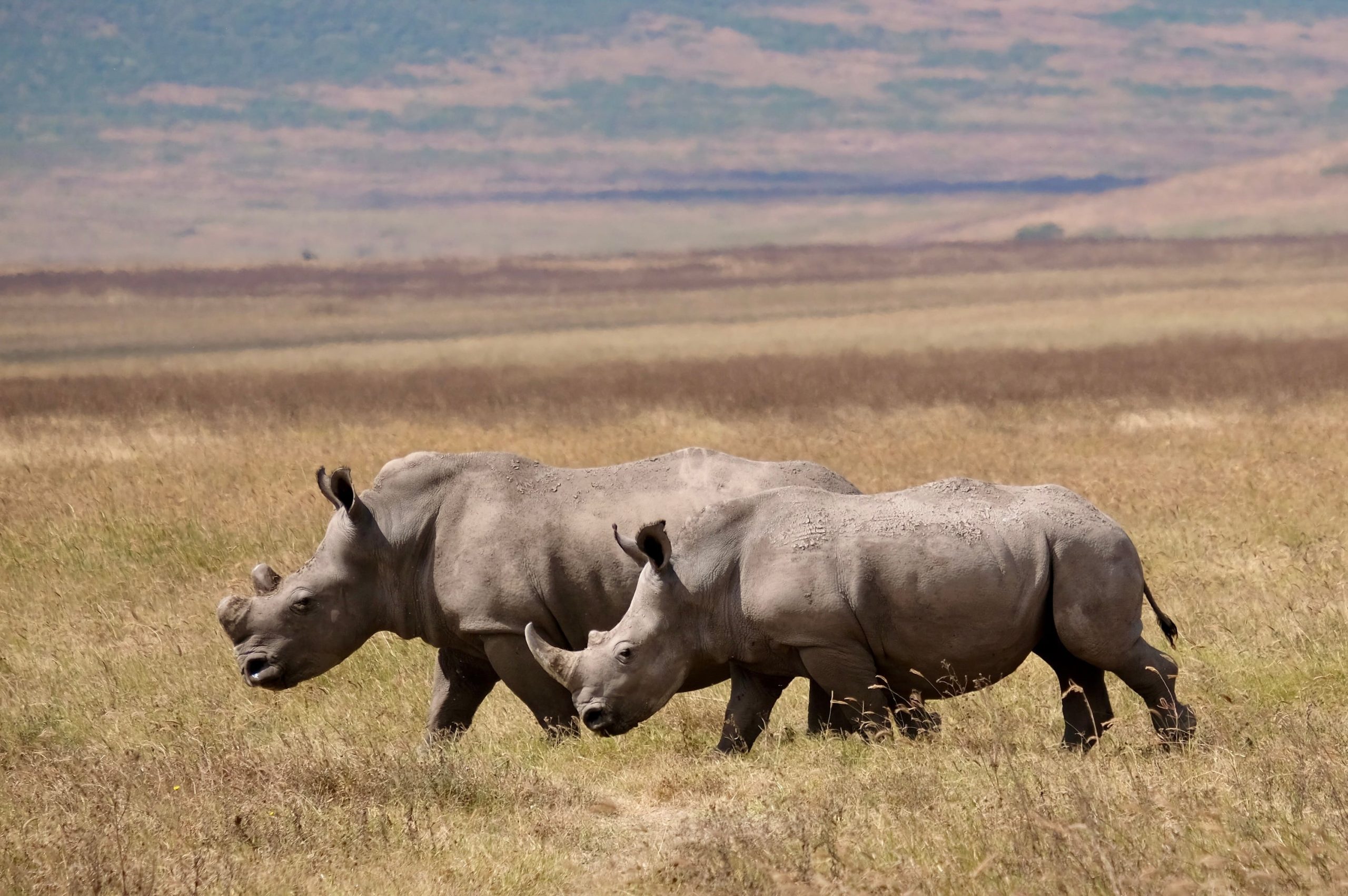
The black rhino faces serious pressure from illegal poaching.
Criminal groups target rhino horn for illegal trade.
Conservation teams protect rhinos through monitoring, anti-poaching patrols, and breeding programmes.
African Penguin
African penguin numbers continue to decline.
Major threats include:
- Overfishing
- Oil pollution
- Climate change
- Disturbance near breeding colonies
Protected breeding areas improve survival rates.
African Wild Dog
The African wild dog ranks among Africa’s rarest predators.
Habitat fragmentation limits movement between populations.
Conservation groups work with landowners to create wildlife corridors and reduce conflict with farmers.
Riverine Rabbit
The riverine rabbit lives in small parts of the Karoo.
Agricultural development has reduced much of the natural habitat.
Habitat restoration supports population recovery.
Cape Vulture
Cape vultures remove dead animals from the environment.
This reduces the spread of disease.
Major threats include:
- Poisoning
- Power line collisions
- Habitat loss
Power companies now install bird-friendly equipment in many high-risk areas.
Pickersgill’s Reed Frog
This small frog depends on healthy wetlands.
Urban development has destroyed many wetlands across South Africa.
Wetland protection benefits frogs, birds, fish, and many other species.
Major Threats to Endangered Species
Habitat Loss
Habitat destruction remains the biggest threat to wildlife.
Natural areas disappear through:
- Urban growth
- Farming
- Mining
- Road construction
- Industrial development
Animals lose food, shelter, and breeding sites.
Smaller habitats also reduce genetic diversity.
Illegal Wildlife Trade
Wildlife crime threatens many species.
Poachers target animals for:
- Skins
- Meat
- Bones
- Live animal trade
- Horns
Rhinos receive the greatest attention, although many birds, reptiles, and rare plants also face illegal collection.
Climate Change
Changing weather patterns affect ecosystems across South Africa.
Higher temperatures influence:
- Rainfall
- Water supplies
- Food availability
- Breeding seasons
- Animal movement
Species with limited habitats face greater pressure.
Pollution
Pollution damages rivers, oceans, wetlands, and grasslands.
Common sources include:
- Plastic waste
- Oil spills
- Industrial waste
- Agricultural chemicals
- Sewage pollution
Many marine animals mistake plastic for food.
Birds and mammals also become trapped in discarded waste.
Human Wildlife Conflict
Wild animals often move into farming areas while searching for food or water.
This creates conflict between people and wildlife.
Conservation programmes promote practical solutions.
These include:
- Stronger fencing
- Livestock guardian animals
- Community education
- Compensation programmes
These approaches protect both wildlife and farming communities.
Why Every Species Matters
Large animals often receive the most attention.
Small species also play essential roles.
- Bees pollinate crops.
- Frogs reduce insect populations.
- Snakes control rodents.
- Vultures reduce disease.
- Native plants protect soil and support insects, birds, and mammals.
Healthy ecosystems depend on many different species working together. Protecting biodiversity supports people, wildlife, and the environment.
Conservation Efforts in South Africa
South Africa protects wildlife through national laws, conservation programmes, scientific research, and partnerships with local communities. These efforts help endangered species survive and improve damaged ecosystems.
Many organisations work together to protect animals and plants. Their work focuses on habitat protection, wildlife monitoring, education, and law enforcement.
Protected Areas
Protected areas provide safe habitats for wildlife.
South Africa has more than 20 national parks and hundreds of provincial parks and private nature reserves. These areas protect thousands of plant and animal species.
Well known protected areas include:
- Kruger National Park
- Addo Elephant National Park
- Table Mountain National Park
- Hluhluwe iMfolozi Park
- Kgalagadi Transfrontier Park
These parks support wildlife conservation, scientific research, tourism, and environmental education.
Anti Poaching Operations
Illegal wildlife trade threatens many endangered species.
South Africa continues to strengthen anti poaching programmes through:
- Ranger patrols
- Drone surveillance
- Camera traps
- Intelligence gathering
- Police investigations
- Border security operations
Conservation agencies also work with neighbouring countries to reduce wildlife crime across southern Africa.
Habitat Restoration
Many natural habitats have suffered damage from mining, farming, pollution, and urban development.
Habitat restoration improves these ecosystems through projects such as:
- Planting indigenous trees and shrubs
- Removing invasive alien plants
- Restoring wetlands
- Cleaning rivers
- Rehabilitating degraded grasslands
Healthy habitats provide food, shelter, nesting sites, and breeding areas for wildlife.
Wildlife Research
Scientists study endangered species throughout the year.
Research provides valuable information about:
- Population size
- Breeding success
- Animal movement
- Disease outbreaks
- Habitat quality
- Climate impacts
This information supports better conservation planning and stronger protection measures.
Community Conservation
Communities living near protected areas play an important role in conservation.
Many conservation projects create employment through:
- Eco tourism
- Wildlife monitoring
- Habitat restoration
- Environmental education
- Nature reserve management
These programmes support local families while protecting wildlife.
Why Biodiversity Supports Human Life
Healthy ecosystems provide resources people depend on every day.
These resources include:
- Clean drinking water
- Fertile soil
- Fresh air
- Pollinated crops
- Healthy fisheries
- Natural medicines
A decline in biodiversity reduces these natural resources.
Protecting wildlife supports healthy communities and stronger food production.
How You Help Protect Endangered Species
Your daily choices make a difference.
Simple actions help protect wildlife and natural habitats.
Support Protected Areas
Visit national parks and nature reserves.
Entrance fees help fund conservation projects.
Responsible tourism also supports local businesses and employment.
Reduce Plastic Waste
Plastic pollution harms wildlife across rivers, beaches, wetlands, and oceans.
You reduce plastic waste by:
- Recycling household waste
- Carrying reusable shopping bags
- Using reusable water bottles
- Avoiding single use plastics
- Disposing of rubbish correctly
Cleaner environments improve wildlife survival.
Protect Natural Habitats
Respect natural areas during outdoor activities.
Follow park rules.
Stay on marked trails.
Leave plants and animals undisturbed.
Small actions protect fragile ecosystems.
Report Wildlife Crime
Illegal wildlife activities threaten many species.
Report activities such as:
- Illegal hunting
- Wildlife trafficking
- Illegal fishing
- Illegal logging
- Sale of protected animals and plants
Public reporting helps law enforcement respond quickly.
Plant Indigenous Species
Indigenous plants support local ecosystems.
They provide:
- Food for birds
- Nectar for insects
- Shelter for wildlife
- Healthy soil
Plant indigenous species in your garden whenever possible.
Support Conservation Organisations
Many conservation organisations depend on volunteers and public support.
You help through:
- Volunteering
- Donations
- Community clean up events
- Tree planting campaigns
- Environmental awareness programmes
Every contribution supports wildlife protection.
The Role of Schools
Schools help young people understand biodiversity and conservation.
Environmental education teaches learners about:
- Wildlife conservation
- Recycling
- Water conservation
- Pollution prevention
- Climate change
Many schools organise activities such as:
- Tree planting
- Recycling projects
- River clean ups
- Nature walks
- School gardens
These activities encourage responsible environmental behaviour.
The Role of Businesses
Businesses influence environmental protection through responsible practices.
Many companies reduce environmental impacts by:
- Reducing waste
- Saving water
- Improving energy efficiency
- Supporting conservation projects
- Restoring natural habitats
Responsible business practices protect wildlife while supporting local communities.
Conservation Success Stories
South Africa has achieved important conservation successes through long term planning and cooperation.
Positive results include:
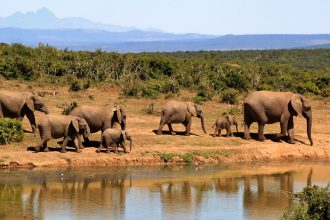
- Growth in elephant populations inside protected areas
- Improved breeding success for several endangered bird species
- Expansion of protected habitats across multiple provinces
- Wetland restoration projects improving water quality
- Community conservation programmes creating employment
These achievements show the value of continued investment in wildlife conservation. Every person, organisation, and community plays a role in protecting South Africa’s endangered species for future generations.
Frequently Asked Questions
Why do endangered species matter?
Endangered species help keep ecosystems healthy. Bees pollinate crops. Vultures remove dead animals. Predators control prey populations. Healthy ecosystems support clean water, fertile soil, and food production.
Which endangered animal faces the greatest threat in South Africa?
The black rhino faces one of the biggest threats because illegal poaching continues across parts of southern Africa. Rangers, conservation organisations, and law enforcement agencies work together to protect rhino populations.
How does climate change affect wildlife?
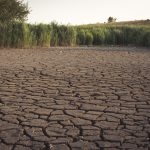
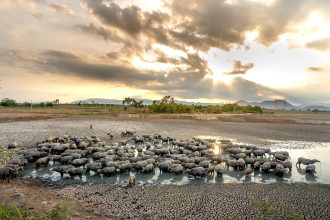
Climate change changes rainfall, temperatures, and water supplies. Some animals lose food sources. Others lose breeding areas or move into new habitats. Long periods of drought also reduce water available for wildlife.
How does plastic pollution harm animals?
Many animals swallow plastic after mistaking waste for food. Others become trapped in discarded fishing gear, plastic bags, or packaging. Plastic pollution also damages rivers, beaches, wetlands, and oceans.
Why are national parks important?
National parks protect natural habitats and endangered species. They also support research, environmental education, and tourism. Visitor fees help fund wildlife protection and habitat management.
How do local communities help conservation?
Many communities work in eco tourism, wildlife monitoring, habitat restoration, and environmental education. These programmes create employment while supporting conservation.
How do you help protect endangered species?
You support conservation through simple daily actions.
- Recycle household waste.
- Reduce plastic use.
- Save water.
- Plant indigenous trees and flowers.
- Support conservation organisations.
- Visit protected areas responsibly.
- Report wildlife crime.
Protect Wildlife Through Everyday Actions
Conservation starts with daily choices.
You protect wildlife by reducing pollution, saving water, planting indigenous vegetation, and respecting protected areas. Every action supports healthier ecosystems.
Families, schools, businesses, and communities all contribute to environmental protection. Working together creates stronger conservation results across South Africa.
Looking Ahead
South Africa holds thousands of unique plants and animals. Many species continue to face pressure from habitat loss, illegal wildlife trade, pollution, and climate change.
Conservation programmes continue to improve habitats, strengthen wildlife protection, and support scientific research. Community participation also plays an important role in protecting biodiversity.
Future success depends on responsible environmental management, strong law enforcement, habitat restoration, and public support.
Key Takeaways
- South Africa supports one of the richest collections of wildlife in the world.
- Habitat loss threatens many endangered species.
- Illegal wildlife trade continues to threaten rhinos and other wildlife.
- National parks protect habitats and support biodiversity.
- Healthy ecosystems provide clean water, fertile soil, and food production.
- Community conservation creates employment and protects wildlife.
- Indigenous plants support birds, insects, and small animals.
- Recycling and reducing plastic waste protect rivers, wetlands, and oceans.
- Responsible tourism supports conservation projects.
- Your daily actions help protect South Africa’s endangered species.