South Africa’s Natural Heritage Supports Every Community
South Africa ranks among the richest countries for biodiversity. Thousands of plant and animal species live across forests, wetlands, rivers, grasslands, mountains, deserts, and coastlines. Many species exist only within South Africa.
Biodiversity supports your daily life. Healthy ecosystems provide clean water, fertile soil, food, medicine, and fresh air. Nature also supports farming, tourism, fishing, and many other industries.
The country covers less than one percent of Earth’s land surface. Even so, South Africa contains about ten percent of the world’s known plant species. This rich natural heritage attracts scientists, tourists, and conservation groups from across the globe.
Every species plays a role. Plants produce oxygen. Bees pollinate crops. Birds control insects. Wetlands clean water. Healthy ecosystems support healthy communities.
Protecting biodiversity protects your future.
What Is Biodiversity?
Biodiversity means the variety of living things found in one place. This includes plants, animals, birds, insects, fungi, fish, and microscopic organisms. Biodiversity also includes the environments where these living things survive.
Scientists divide biodiversity into three main groups.
Species Diversity
Species diversity refers to the number of different living organisms within an area.
South Africa supports more than 24,000 plant species. Hundreds of mammals, reptiles, amphibians, freshwater fish, and bird species also live across the country.
Many species exist nowhere else on Earth.
Genetic Diversity
Genetic diversity refers to differences within the same species.
These differences help plants and animals survive diseases, pests, droughts, and changing weather conditions. Strong genetic diversity supports healthy populations over many generations.
Ecosystem Diversity
Ecosystem diversity refers to different natural environments.
South Africa contains many ecosystems, including:
- Grasslands
- Savannas
- Forests
- Wetlands
- Deserts
- Mountains
- Rivers
- Coastal waters
Each ecosystem supports different plants and animals.
Damage within one ecosystem affects many others.
Why South Africa Holds So Much Biodiversity
Several natural features support South Africa’s rich biodiversity.
The country receives different amounts of rainfall across each region.
Temperatures vary from cool mountain areas to hot deserts.
Different soil types support different plants.
Mountain ranges create separate habitats.
Warm and cold ocean currents meet along the coastline.
These conditions allow thousands of species to survive.
Many plants and animals adapted over millions of years. As a result, many species live only inside South Africa.
Once these species disappear, people lose part of the country’s natural heritage forever.
Major Ecosystems Found Across South Africa
South Africa contains many ecosystems. Each one supports unique wildlife and plant life.
Grasslands
Grasslands cover large areas of the country.
These open landscapes support grazing animals such as zebra, wildebeest, and antelope.
Grasslands also support birds, insects, and small mammals.
Healthy grasslands protect soil from erosion and improve water absorption after rainfall.
Many farming communities depend on healthy grasslands for livestock grazing.
Savannas
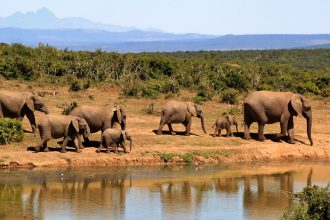
Savannas contain grasses with scattered trees.
Many famous African animals live here.
Examples include:
- Elephant
- Lion
- Leopard
- Rhinoceros
- Buffalo
Large protected areas such as national parks help conserve these ecosystems.
Forests
Natural forests cover only a small part of South Africa.
These forests support birds, insects, monkeys, fungi, and rare plants.
Trees improve air quality by absorbing carbon dioxide.
Tree roots hold soil together and reduce flooding.
Forests also protect water sources.
Wetlands
Wetlands rank among South Africa’s most valuable ecosystems.
Wetlands filter polluted water before rivers and dams receive water.
Wetlands store rainwater during storms.
This reduces flood damage.
Many frogs, fish, insects, and water birds depend on wetlands for survival.
Fynbos
The Cape Floristic Region contains the famous fynbos vegetation.
This area supports one of the richest collections of flowering plants on Earth.
Well-known plants include:
- King Protea
- Erica species
- Restios
Thousands of plant species grow only within this region.
Deserts
Dry regions such as the Karoo support unique plants and animals.
Succulent plants store water during long dry periods.
Many reptiles, insects, and mammals survive through special adaptations suited for hot conditions.
Marine Ecosystems
South Africa’s coastline stretches for more than 2,500 kilometres.
Cold water from the Atlantic Ocean meets warm water from the Indian Ocean.
This supports rich marine biodiversity.
Marine species include:
- Whales
- Dolphins
- Penguins
- Sharks
- Seals
- Coral communities
- Thousands of fish species
Healthy oceans support fishing, tourism, and coastal livelihoods.
South Africa Is One of the World’s Biodiversity Hotspots
Scientists identify biodiversity hotspots using two requirements.
The first requirement involves high numbers of unique species.
The second requirement involves serious habitat loss.
South Africa meets both requirements.
The Cape Floristic Region ranks among the world’s richest plant regions.
Although the area covers a small part of the country, thousands of flowering plants grow there.
Most grow nowhere else.
The Succulent Karoo also supports one of the richest collections of succulent plants on Earth.
Maputaland contains valuable forests, wetlands, lakes, and coastal habitats.
These regions support wildlife conservation, tourism, research, and local communities.
Unique Plants and Animals Found Only in South Africa
South Africa protects many rare species.
Examples include:
- King Protea
- Riverine Rabbit
- Cape Sugarbird
- Geometric Tortoise
- African Penguin
Many famous wildlife species also live across the country.
These include:
- Elephant
- Giraffe
- Zebra
- Hippopotamus
- Cheetah
- Lion
- Leopard
- Crocodile
Every species performs an important job.
Bees pollinate crops.
Birds spread seeds.
Predators control animal populations.
Scavengers remove dead animals.
Earthworms improve soil quality.
Each species supports healthy ecosystems.
Healthy ecosystems support healthy people.
Why Protecting Biodiversity Benefits You
Biodiversity affects your daily life in many ways. Healthy ecosystems support your food, water, health, income, and quality of life.
When natural habitats stay healthy, people receive clean water, fertile soil, pollinated crops, and natural protection from floods and droughts.
Protecting biodiversity protects your future.
Biodiversity Supports Food Security
Every meal depends on healthy ecosystems.
Farmers rely on fertile soil, clean water, healthy insects, and balanced ecosystems.
Pollinators such as bees, butterflies, birds, and bats help many crops produce fruit and seeds.
Without pollinators, food production falls.
Healthy soil also supports farming.
Living organisms inside the soil break down dead plants and return nutrients to the ground.
Healthy soil produces stronger crops.
Natural predators also reduce harmful pests.
Examples include:
- Birds
- Frogs
- Ladybirds
- Spiders
These animals reduce insect populations without heavy chemical use.
Protecting biodiversity helps secure South Africa’s food supply.
Biodiversity Protects Water Resources
South Africa faces ongoing water shortages.
Healthy ecosystems improve water quality and protect water supplies.
Wetlands trap pollutants before water enters rivers and dams.
Grasslands reduce soil erosion.
Forests slow rainwater runoff.
Plants along riverbanks keep soil in place and reduce sediment entering rivers.
Healthy ecosystems also recharge underground water supplies.
Clean water supports homes, schools, hospitals, farms, and businesses.
Protecting biodiversity protects one of South Africa’s most valuable resources.
Biodiversity Supports Jobs and the Economy
Nature supports thousands of businesses across South Africa.
Many industries depend on healthy ecosystems.
These industries include:
- Agriculture
- Forestry
- Fishing
- Tourism
- Conservation
- Environmental consulting
- Scientific research
Wildlife tourism contributes billions of rand to South Africa’s economy each year.
Visitors travel from across the world to see wildlife, national parks, mountains, forests, beaches, and unique plant life.
Tourism creates jobs for:
- Tour guides
- Hotel staff
- Restaurant workers
- Transport companies
- Local craft producers
- Conservation workers
Healthy ecosystems support local economies across many provinces.
Biodiversity Helps Reduce Climate Change Impacts
Climate change affects rainfall, temperatures, farming, and water supplies.
Healthy ecosystems reduce many environmental risks.
Forests absorb carbon dioxide from the atmosphere.
Grasslands store carbon below the soil surface.
Wetlands reduce flood damage by storing excess rainwater.
Coastal vegetation reduces wave damage during storms.
Healthy ecosystems recover faster after fires and droughts.
Protecting biodiversity strengthens South Africa’s ability to respond to climate change.
Biodiversity Supports Human Health
Healthy environments support healthy people.
Many medicines come from natural plants.
South Africa contains thousands of plant species used in medical research and traditional healthcare.
Healthy ecosystems also improve air quality.
Clean rivers reduce the spread of waterborne diseases.
Parks and green spaces encourage walking, exercise, and outdoor recreation.
Protecting biodiversity improves public health.
Biodiversity Protects South Africa’s Cultural Heritage
Nature forms part of South Africa’s history and cultural identity.
Many communities value indigenous plants and animals.
Traditional medicine depends on native plant species.
Many trees provide food, shade, and natural materials.
Wildlife appears in traditional stories and cultural practices.
Natural heritage deserves protection for future generations.
Major Threats Facing Biodiversity
Many ecosystems face increasing pressure.
Human activities remain the biggest cause.
Habitat Loss
Natural habitats continue disappearing as towns, cities, farms, roads, and industries expand.
Animals lose breeding areas.
Plants lose growing space.
Smaller habitats support fewer species.
Habitat loss remains one of the biggest conservation challenges.
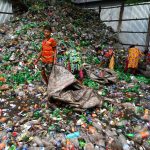
Pollution
Pollution damages rivers, oceans, wetlands, forests, and grasslands.
Plastic waste harms birds, fish, turtles, and marine mammals.
Chemical pollution affects soil and freshwater ecosystems.
Air pollution damages plants and reduces environmental quality.
Reducing pollution protects biodiversity.
Climate Change
Changing temperatures and rainfall patterns affect many ecosystems.
Long droughts reduce water supplies.
Floods damage habitats.
Wildfires destroy forests and grasslands.
Some species struggle to adapt to rapid environmental change.
Invasive Alien Species
Some plants and animals arrive from other countries.
These species spread quickly.
They compete with native plants and animals for food, water, and space.
Examples include invasive trees, fish, insects, and weeds.
Removing invasive species helps restore natural ecosystems.
Illegal Wildlife Trade
Poaching threatens several South African species.
Rhinos remain one of the biggest targets.
Elephants, pangolins, reptiles, and rare birds also face illegal trade.
Wildlife crime reduces animal populations and harms conservation efforts.
Strong law enforcement and community support help reduce wildlife crime.
Endangered Species Need Immediate Protection
Several South African species face a high risk of extinction.
Examples include:
- Black Rhinoceros
- African Penguin
- Riverine Rabbit
- Geometric Tortoise
- Pickersgill’s Reed Frog
Population declines affect entire ecosystems.
Every species performs an important function.
Protecting endangered wildlife protects healthy ecosystems.
Every Species Has Value
Large animals receive most public attention.
Small species also support healthy ecosystems.
Bees pollinate crops.
Earthworms improve soil.
Fungi recycle nutrients.
Birds spread seeds across forests.
Predators keep animal populations balanced.
Each species supports another.
Healthy biodiversity depends on this balance.
Protecting every species helps protect your food, your water, your health, and your environment.
How You Can Help Protect Biodiversity
Every person has a role in protecting biodiversity. Your daily choices affect nature. Small actions create lasting results when many people work together.
You do not need a career in conservation. You help protect South Africa’s natural heritage through simple habits.
Reduce Waste
Waste pollutes rivers, forests, beaches, and grasslands.
You help by:
● Recycling paper, plastic, glass, and metal.
● Using reusable shopping bags.
● Carrying a reusable water bottle.
● Avoiding single use plastics.
● Disposing of hazardous waste correctly.
Less waste keeps natural habitats clean.
Save Water
South Africa faces ongoing water shortages.
You protect water resources by:
● Fixing leaking taps.
● Taking shorter showers.
● Collecting rainwater for gardens.
● Watering plants during cooler parts of the day.
● Turning off taps while brushing your teeth.
Healthy rivers and wetlands support people and wildlife.
Plant Indigenous Trees and Plants
Indigenous plants belong in local ecosystems.
These plants support birds, butterflies, bees, and other pollinators.
You help by:
● Planting indigenous trees.
● Growing indigenous flowers.
● Removing invasive plants from your garden.
● Creating pollinator friendly gardens.
Native plants also require less water than many imported species.
Protect Wildlife
Wild animals belong in natural habitats.
Respect wildlife during every visit to parks and nature reserves.
You protect wildlife by:
● Keeping a safe distance from animals.
● Following park rules.
● Avoiding feeding wild animals.
● Reporting illegal hunting.
● Refusing wildlife products made from endangered species.
Responsible tourism supports conservation.
Keep Rivers, Parks, and Beaches Clean
Litter damages ecosystems.
Plastic waste harms birds, fish, turtles, and marine mammals.
You help by:
● Picking up litter.
● Taking rubbish home.
● Joining community clean up events.
● Recycling whenever possible.
● Encouraging friends and family to protect public spaces.
Clean environments support healthy biodiversity.
Support Conservation Organisations
Many organisations protect wildlife and natural habitats across South Africa.
You support these efforts by:
● Volunteering.
● Donating.
● Taking part in conservation projects.
● Sharing environmental knowledge.
● Supporting responsible tourism.
Every contribution helps protect biodiversity.
Government and Community Conservation Efforts
South Africa protects biodiversity through environmental laws, national parks, nature reserves, and conservation programmes.
Many projects focus on restoring damaged ecosystems.
Examples include:
● Wetland restoration.
● River rehabilitation.
● Alien plant removal.
● Wildlife monitoring.
● Habitat restoration.
Communities also play an important role.
Schools plant indigenous trees.
Volunteers clean beaches.
Farmers protect wetlands and grasslands.
Local groups restore rivers.
These actions improve biodiversity across the country.
Why Environmental Education Matters
Knowledge supports better environmental choices.
Learning about biodiversity helps you understand how nature supports your daily life.
Environmental education encourages responsible behaviour.
Families, schools, and communities all contribute.
You teach children by:
● Saving water.
● Recycling household waste.
● Respecting wildlife.
● Planting indigenous vegetation.
● Keeping public spaces clean.
These habits protect biodiversity for future generations.
The Future of Biodiversity in South Africa
South Africa holds one of the richest collections of plants and animals on Earth.
Many ecosystems still face pressure from pollution, habitat loss, climate change, invasive alien species, and illegal wildlife trade.
Conservation efforts continue across the country.
Government departments, conservation organisations, researchers, farmers, businesses, schools, and communities all contribute.
Your daily choices also matter.
You help by:
● Saving water.
● Reducing waste.
● Recycling.
● Planting indigenous trees.
● Protecting wildlife.
● Supporting conservation projects.
● Keeping rivers and beaches clean.
Every action protects biodiversity.
Healthy ecosystems support food production, clean water, tourism, jobs, and healthier communities.
Future generations deserve healthy forests, wetlands, rivers, grasslands, mountains, and oceans.
Frequently Asked Questions
What is biodiversity?
Biodiversity refers to the variety of living organisms, including plants, animals, birds, insects, fungi, fish, and microorganisms. Biodiversity also includes the ecosystems where these organisms live.
Why does biodiversity matter in South Africa?
Biodiversity supports food production, clean water, healthy soil, tourism, employment, medicine, and climate regulation. South Africa also protects many species found nowhere else.
What threatens biodiversity?
Major threats include habitat loss, pollution, climate change, invasive alien species, illegal wildlife trade, and unsustainable use of natural resources.
How does biodiversity support agriculture?
Healthy ecosystems support fertile soil, pollinators, natural pest control, and clean water. These natural systems improve crop and livestock production.
What are biodiversity hotspots?
Biodiversity hotspots contain many unique plant and animal species while facing significant habitat loss. South Africa contains internationally recognised hotspots such as the Cape Floristic Region and the Succulent Karoo.
How do you help protect biodiversity?
You protect biodiversity by saving water, reducing pollution, recycling, planting indigenous vegetation, protecting wildlife, and supporting conservation projects.
Conclusion
Biodiversity supports every part of life in South Africa. Healthy ecosystems provide clean water, fertile soil, food, jobs, tourism, and healthier communities.
South Africa protects one of the richest collections of wildlife and plant species in the world. This natural heritage deserves ongoing protection.
Your choices shape the future of biodiversity. Saving water, reducing pollution, protecting wildlife, planting indigenous vegetation, and supporting conservation efforts help preserve South Africa’s environment for future generations.